
Inflammation & Gut Health
8 productsGut barrier integrity and anti-inflammatory research peptides.
8 products
Scientific Overview & Research Target
Peptide research in inflammation and gut health investigates compounds that address intestinal barrier integrity, NF-κB–driven inflammatory transcription, mucosal repair signaling, immune–epithelial crosstalk, systemic redox balance, and mitochondrial stress responses in inflamed tissue.
Studies suggest that KPV limits NF-κB activation in epithelial models, BPC-157 supports angiogenesis and tight-junction biology in mucosal injury research, thymosin alpha peptides are investigated for immune-modulatory effects relevant to gut-associated lymphoid tissue, glutathione contributes to redox regulation of inflammatory signaling, and SS-31 is studied for mitochondrial membrane efficiency under inflammatory and oxidative load.
Looking for detailed research protocols?
Review our comprehensive scientific guide on inflammation & gut health peptide pathways.
Cellular Mechanisms & Study Pathways
NF-κB Pathway Inhibition
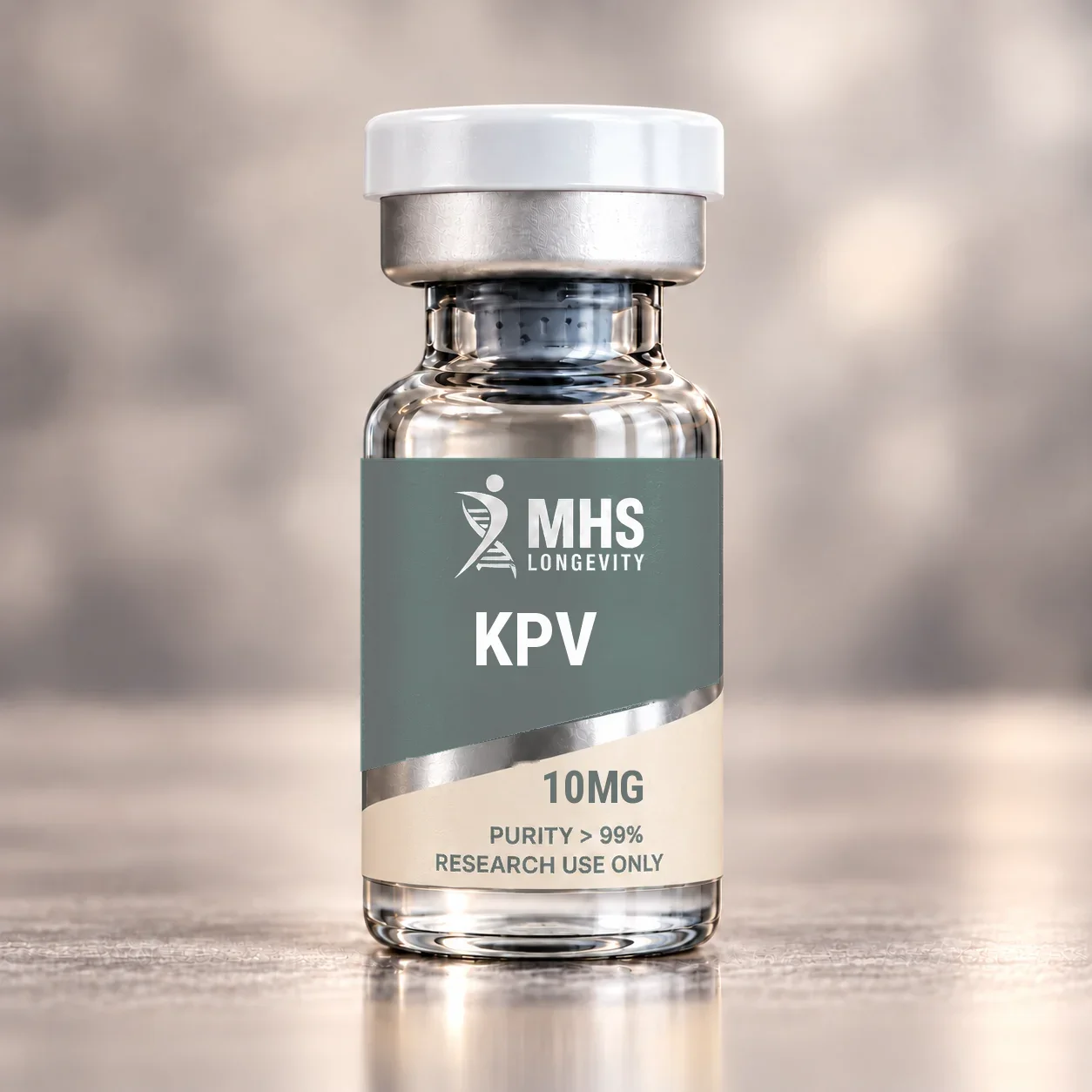
Research suggests KPV enters cells via PepT1 transport and stabilizes IκB-alpha to block NF-κB nuclear translocation, suppressing pro-inflammatory cytokines including IL-6, TNF-alpha, and IL-1-beta in intestinal epithelial models.
Gut Barrier Restoration
Studies indicate BPC-157 activates VEGFR2-mediated angiogenesis in damaged mucosa while reinforcing tight junctions to restore intestinal barrier function and prevent endotoxin translocation.
Immune Modulation
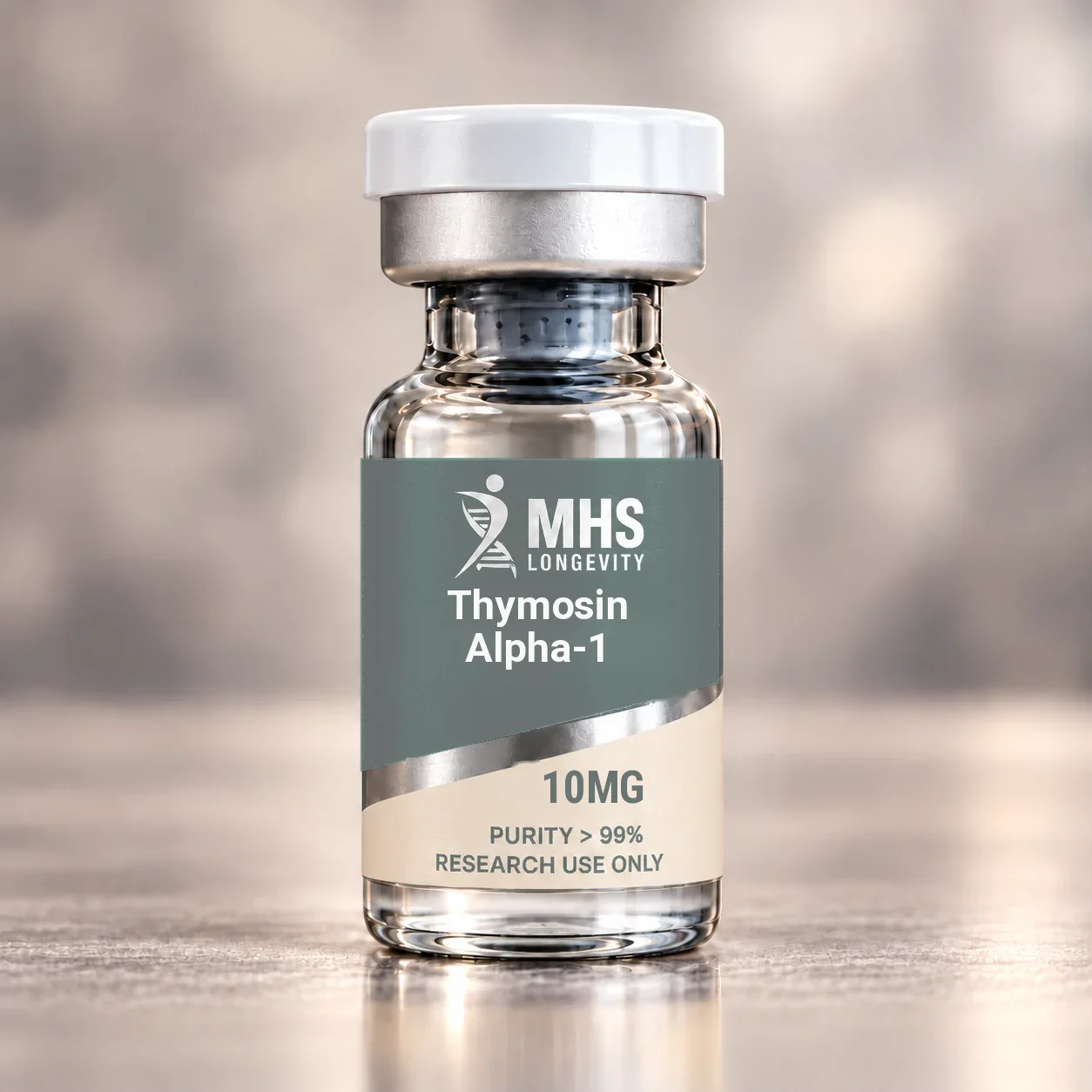
Research suggests thymosin family peptides influence dendritic cells, T-cell help, and TLR-related signaling—active themes in investigations of mucosal immune tone and gut-associated lymphoid responses.
Redox & Mitochondrial Support
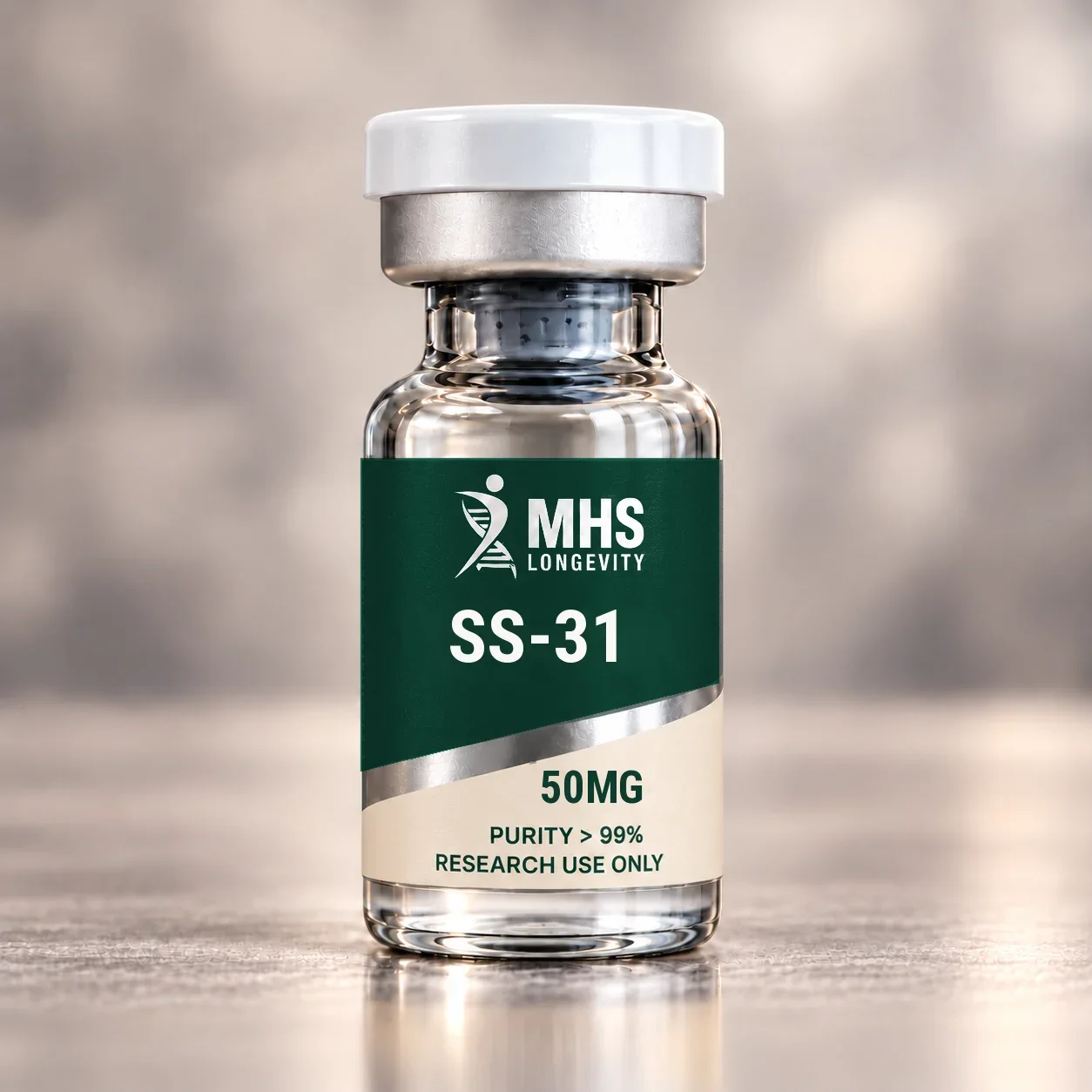
Studies indicate glutathione maintains redox-sensitive immune kinases and NF-κB regulators, while SS-31 targets inner-membrane cardiolipin to support electron transport in models of epithelial and immune stress.
Key Research Compounds
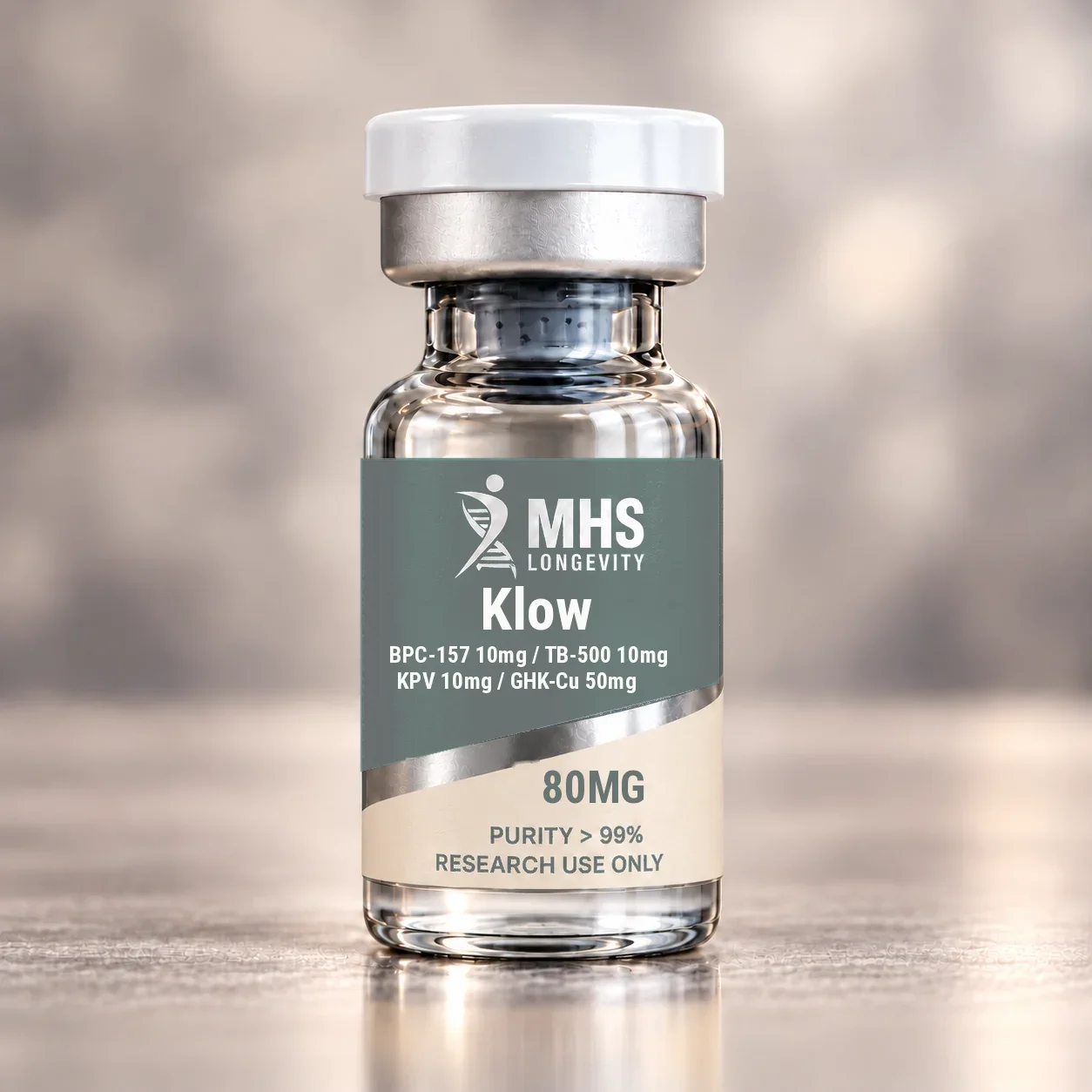
Klow 80mg
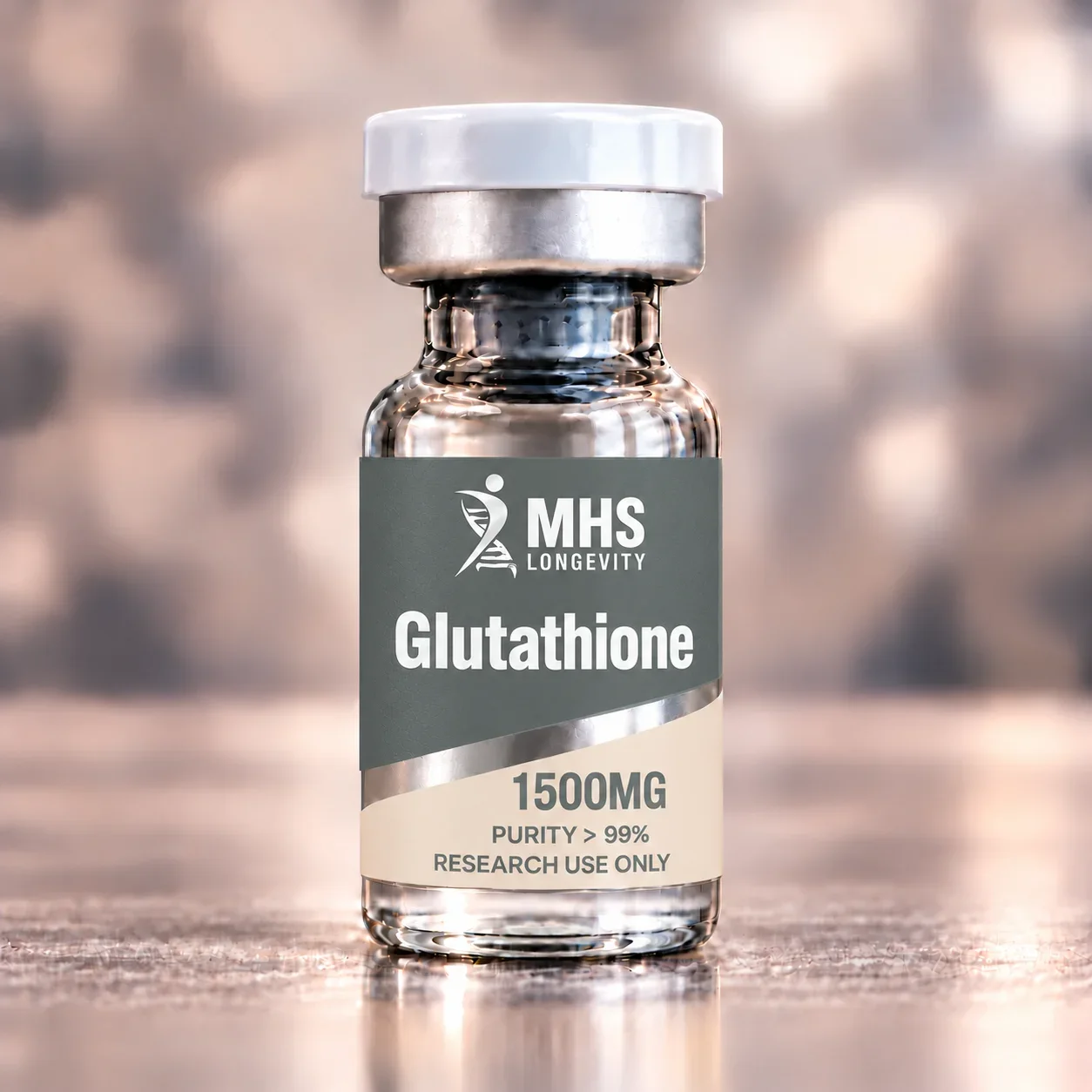
Glutathione 1500mg
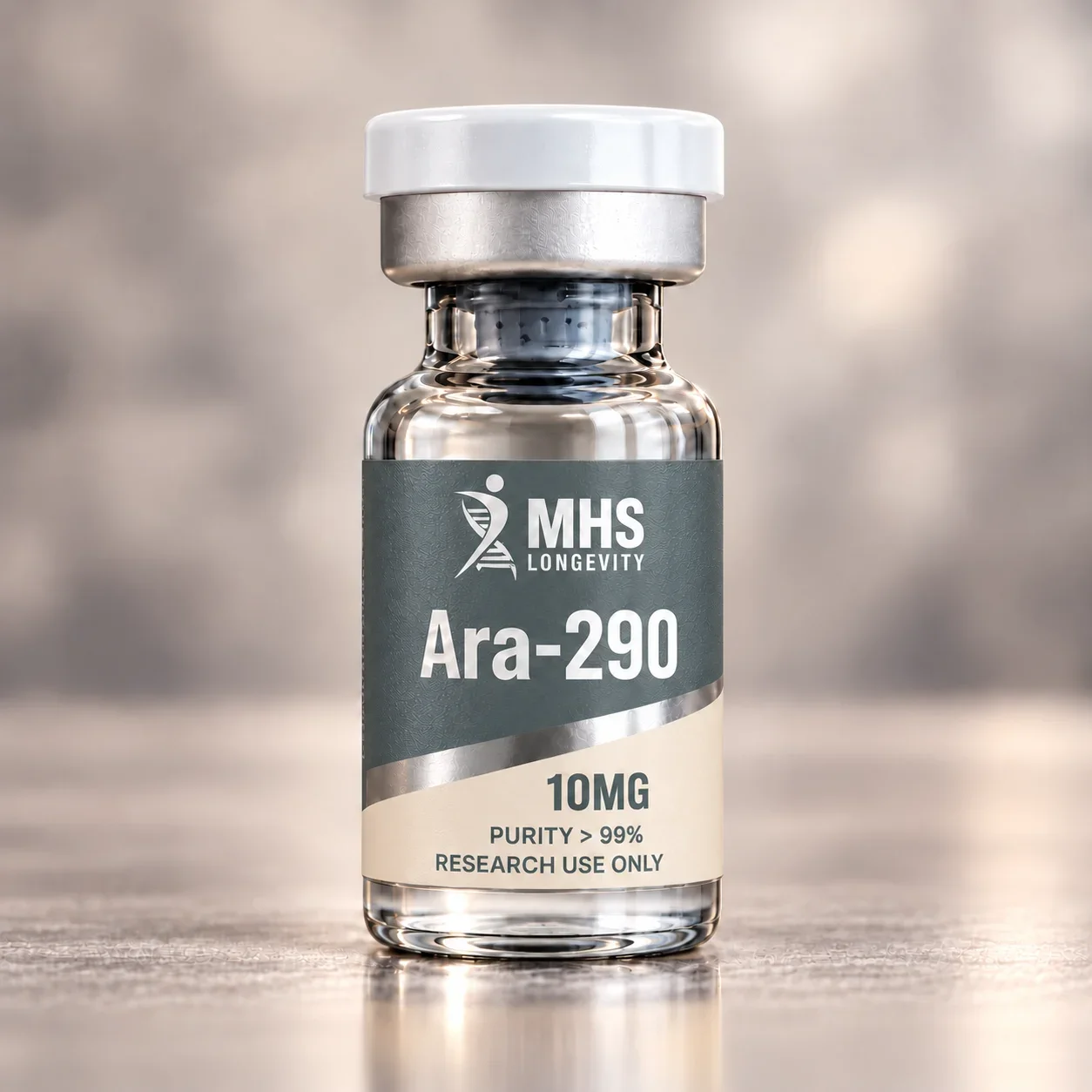
ARA-290 10mg
Thymosin Alpha 10mg
KPV 10mg
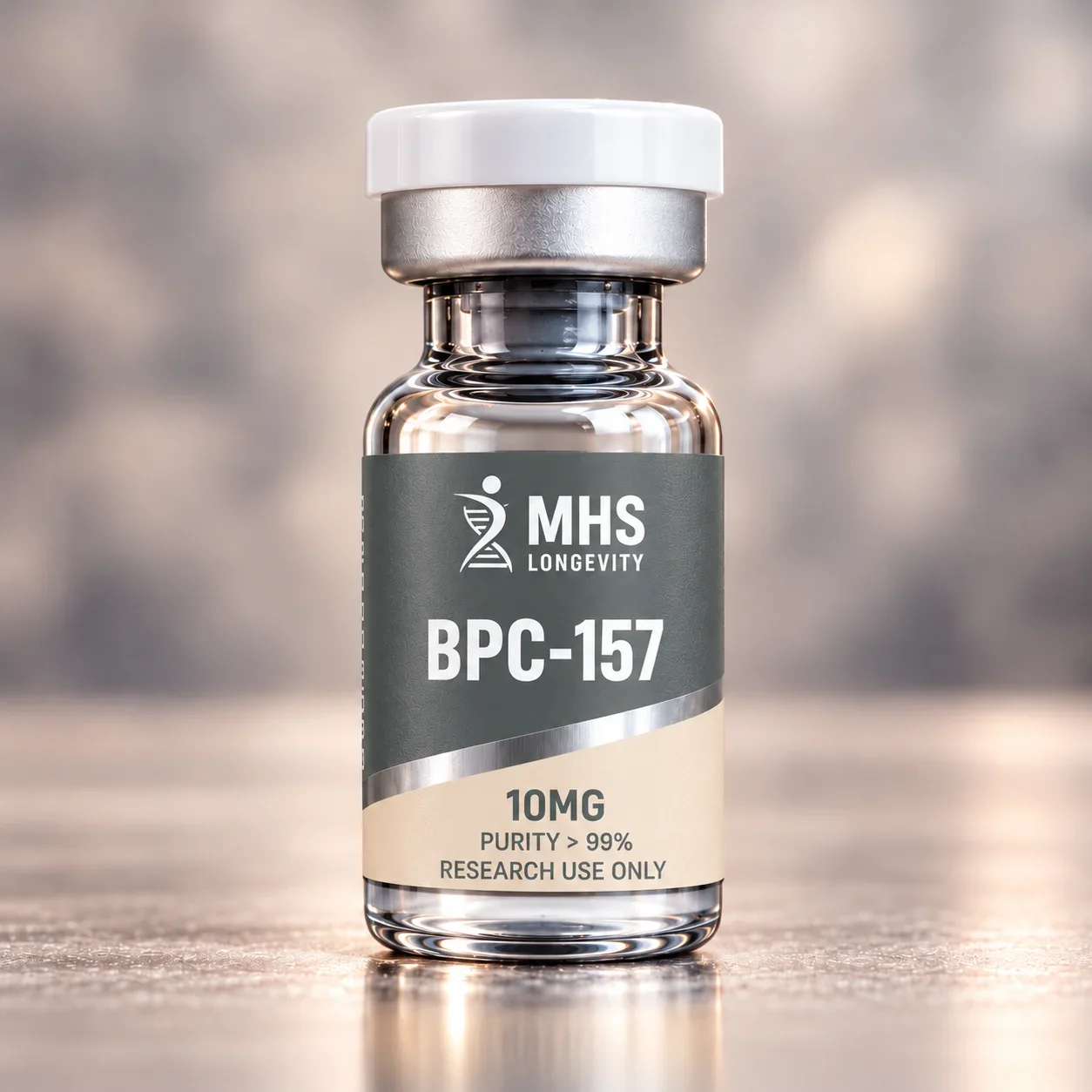
BPC-157 10mg
SS-31 50mg
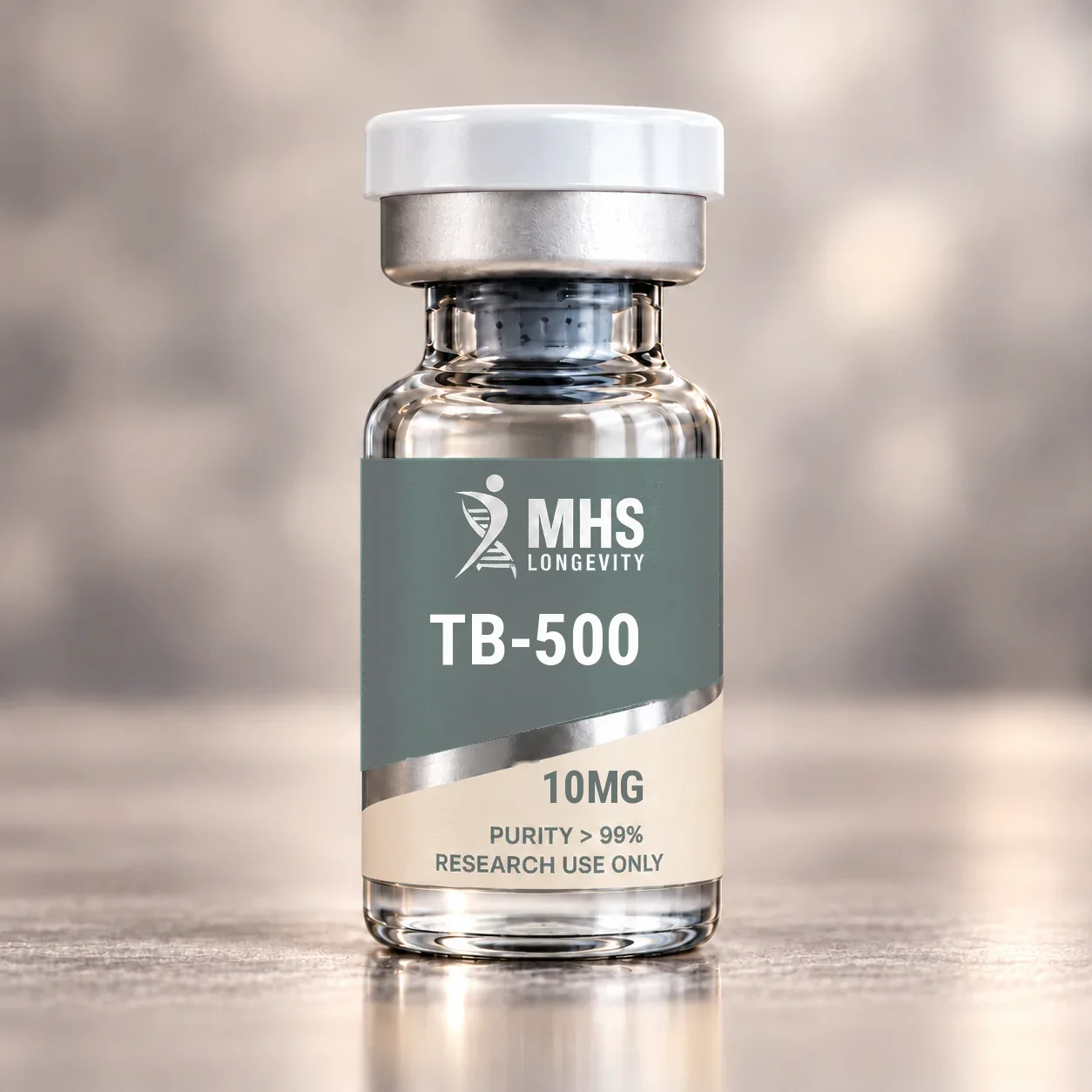
TB-500 10mg
Frequently Asked Questions
How do gut health research peptides interact with the intestinal barrier?
Researchers study KPV's transport via PepT1 to block NF-κB inflammatory signaling, and BPC-157's VEGFR2-mediated angiogenic pathways to explore mucosal barrier repair and tight-junction integrity in animal models.
Are these peptides approved for treating inflammatory bowel disease (IBD)?
No. These compounds are sold strictly for laboratory research and preclinical testing of inflammatory signaling and barrier function.