
Muscle Gain
8 productsGH secretagogues and IGF-1 pathway compounds for muscle growth research.
8 products

Scientific Overview & Research Target
Peptide research in lean mass development focuses on compounds that interact with the growth hormone axis and insulin-like growth factor signaling. These include GHRH analogs, ghrelin receptor agonists, and extended-half-life IGF-1 variants.
Studies indicate that CJC-1295 (no DAC) and Ipamorelin stimulate pulsatile growth hormone release through complementary pituitary pathways, while IGF-1 LR3 directly activates PI3K/Akt/mTOR signaling to promote muscle protein synthesis and satellite cell proliferation.
Looking for detailed research protocols?
Review our comprehensive scientific guide on muscle growth peptide pathways.
Cellular Mechanisms & Study Pathways
GHRH Receptor Activation
Research suggests CJC-1295 (no DAC) binds pituitary GHRH receptors to stimulate endogenous growth hormone pulses, elevating circulating IGF-1 levels without prolonged receptor desensitization.
Ghrelin Receptor Agonism
Studies indicate Ipamorelin selectively activates GHS-R receptors to trigger pituitary GH secretion with minimal impact on cortisol or prolactin, supporting lean mass accrual in preclinical models.
PI3K/Akt/mTOR Signaling
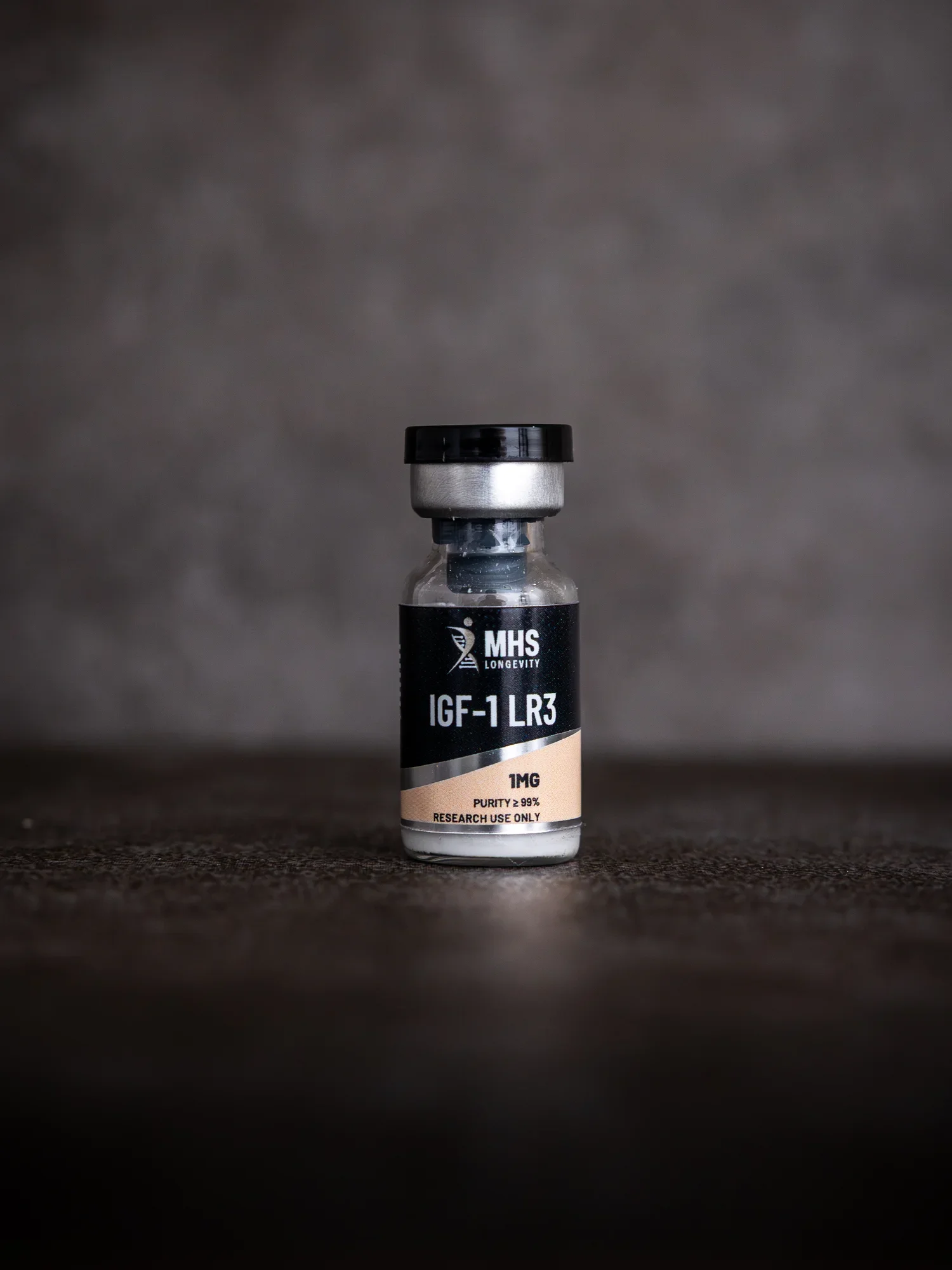
IGF-1 LR3 directly binds IGF-1 receptors on muscle cells, activating PI3K/Akt/mTOR and MAPK pathways to drive muscle protein synthesis, ribosomal activity, and nutrient uptake.
Satellite Cell Activation
Research suggests IGF-1 signaling exits quiescent satellite cells from dormancy, promoting their proliferation and differentiation into myoblasts that fuse with existing muscle fibers for repair and hypertrophy.
Key Research Compounds
Ipamorelin 5mg
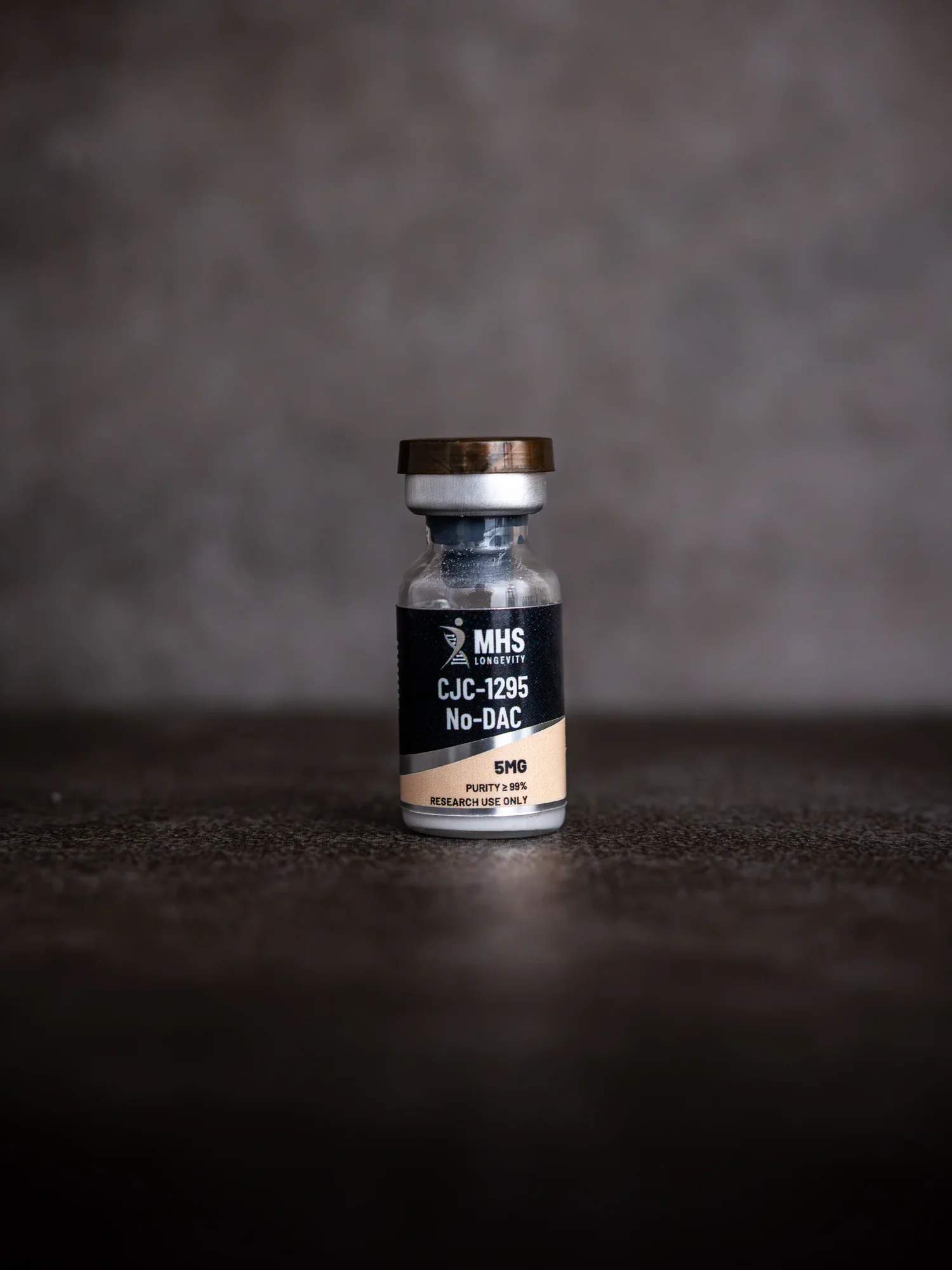
CJC-1295 No-DAC 5mg
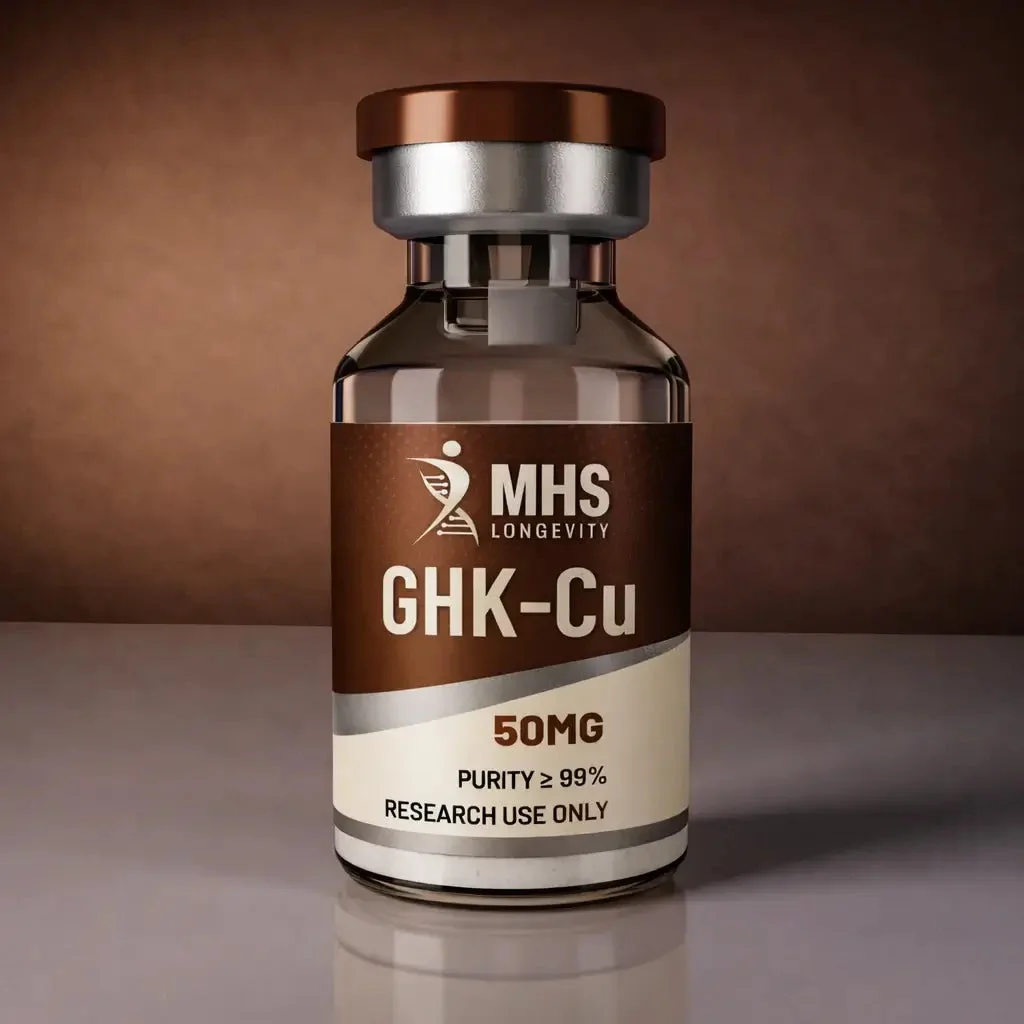
GHK-Cu 50mg
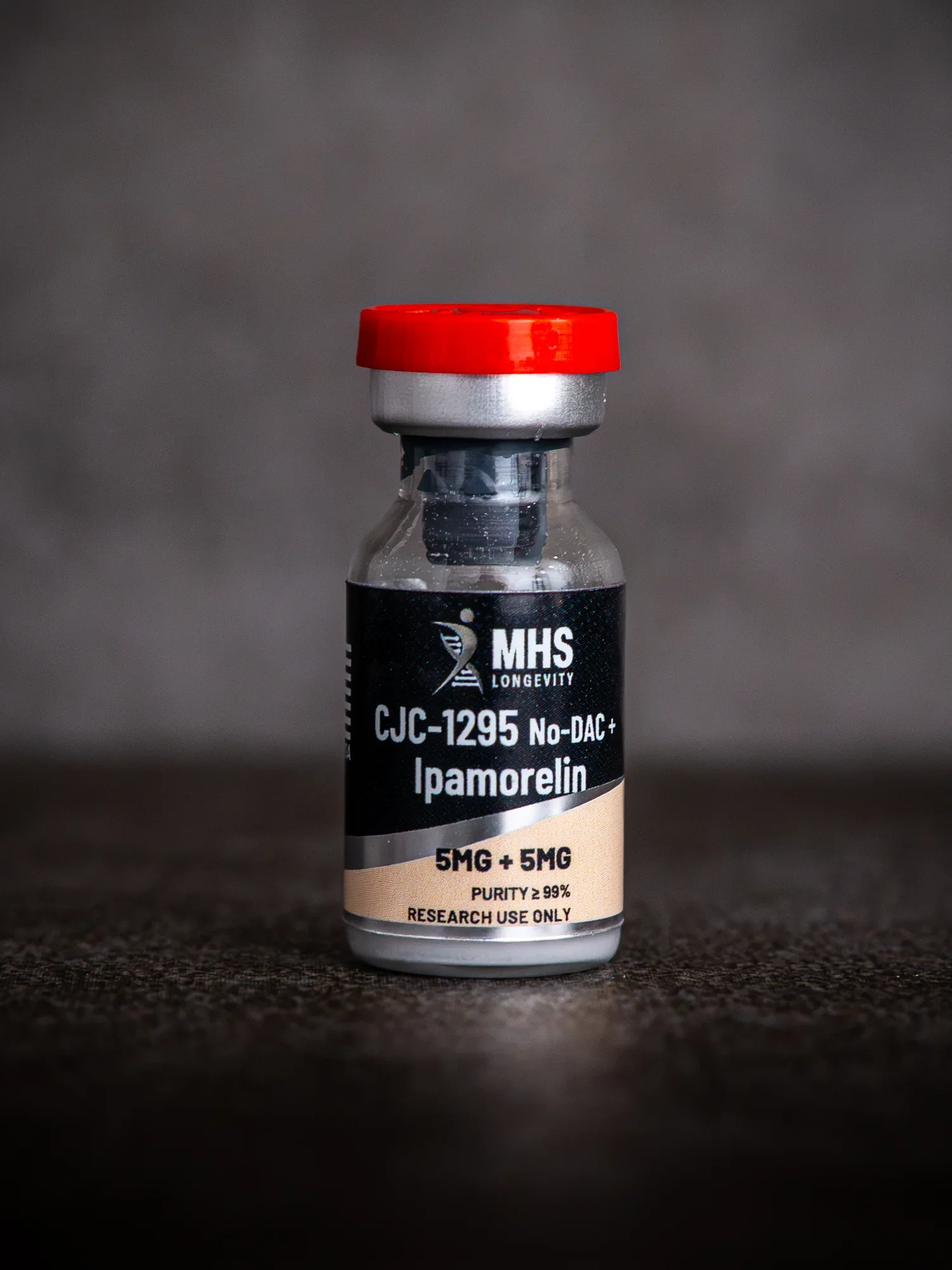
CJC no-DAC + Ipamorelin 5mg/5mg
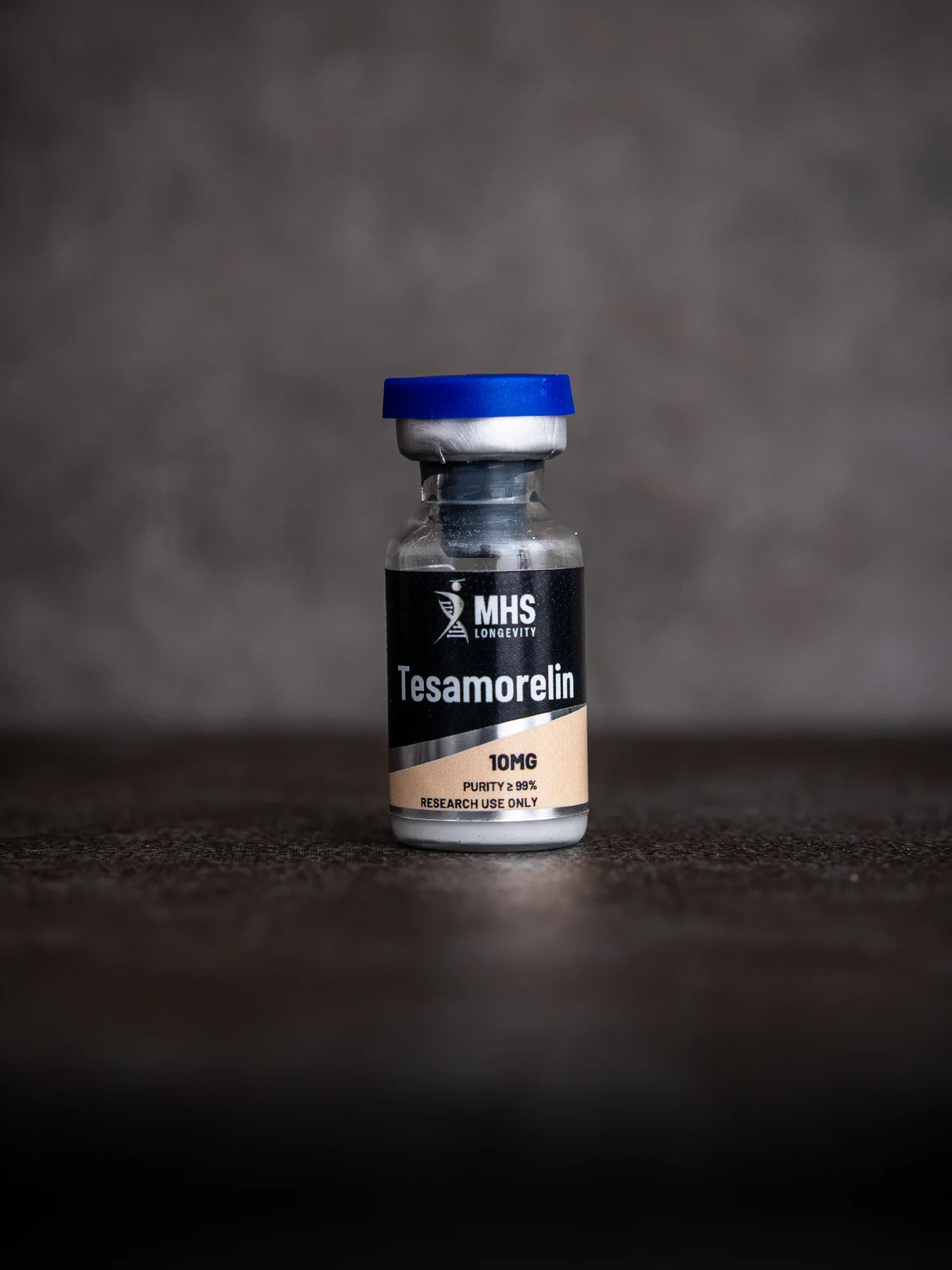
Tesamorelin 10mg
IGF-1 LR3 1mg
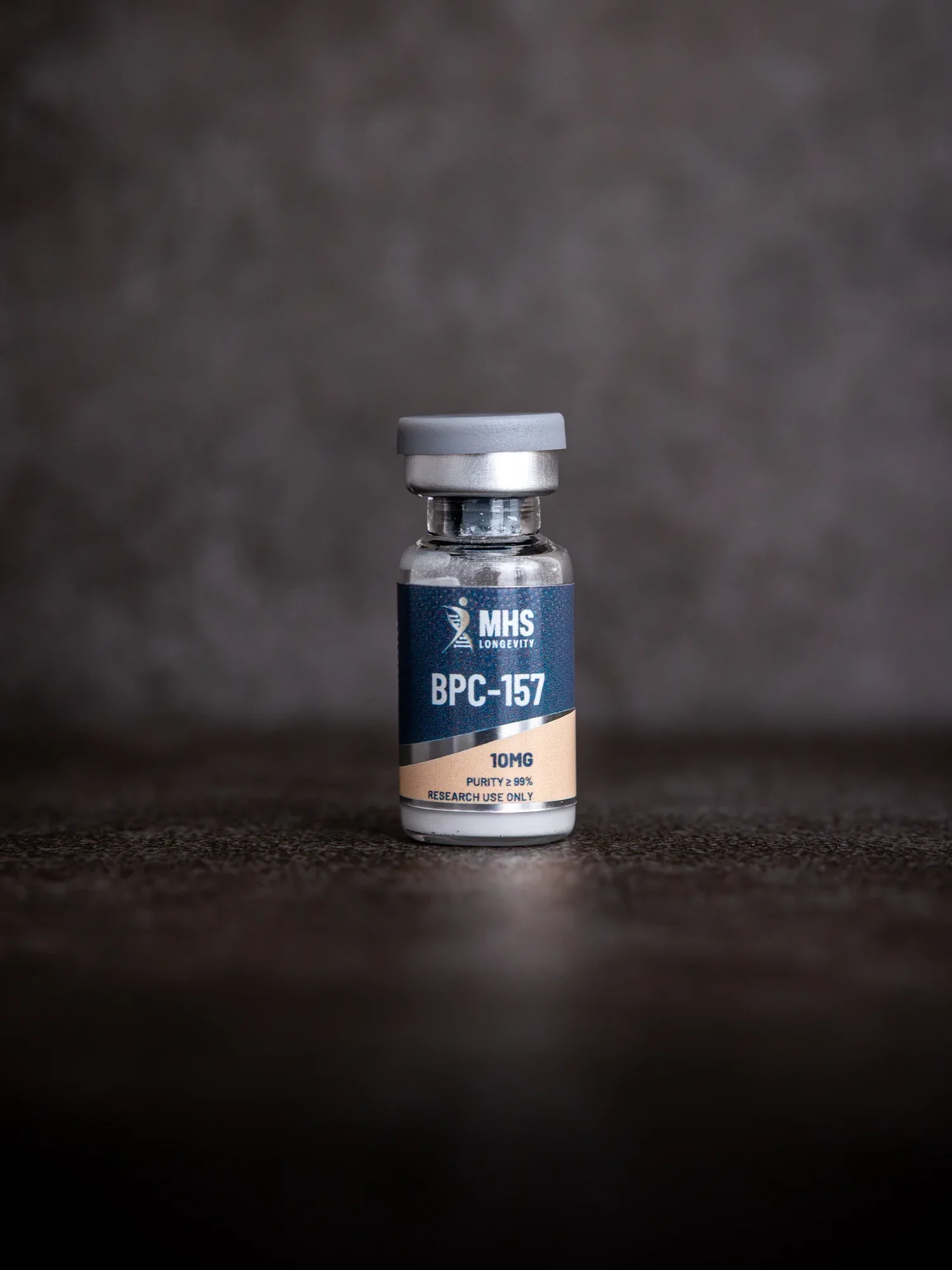
BPC-157 10mg
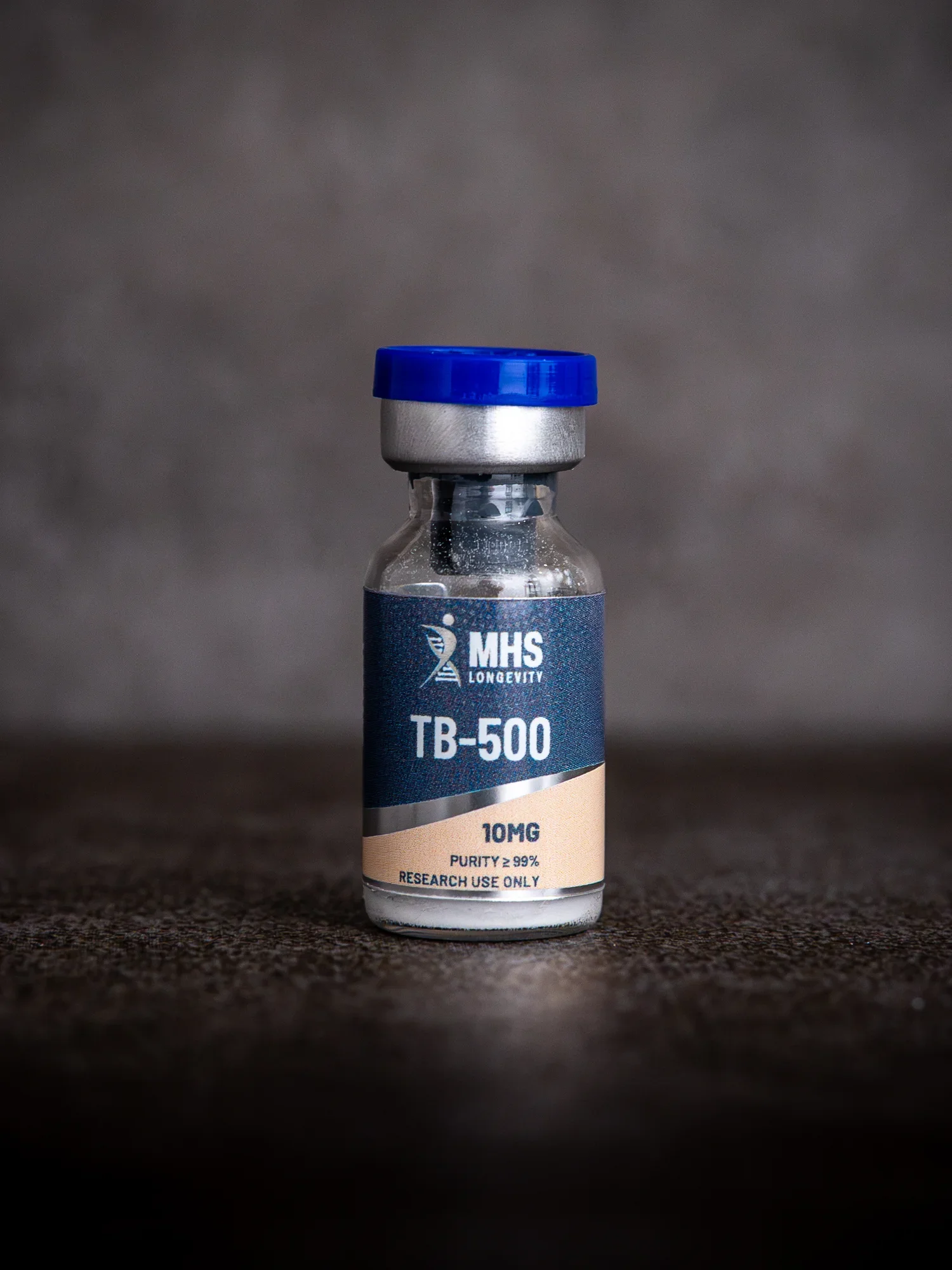
TB-500 10mg
Frequently Asked Questions
What signaling pathways do muscle growth research peptides target?
Lean mass research focus centers on growth hormone secretagogues (such as CJC-1295 and Ipamorelin) that stimulate endogenous GH pulses, and IGF-1 variants (like IGF-1 LR3) that engage the PI3K/Akt/mTOR pathways to study protein synthesis.
Can these secretagogues be used for therapeutic muscle building?
No, these products are not for therapeutic use. They are restricted to laboratory and research applications investigating GH axis regulation and muscle cell hypertrophy in vitro and in vivo.