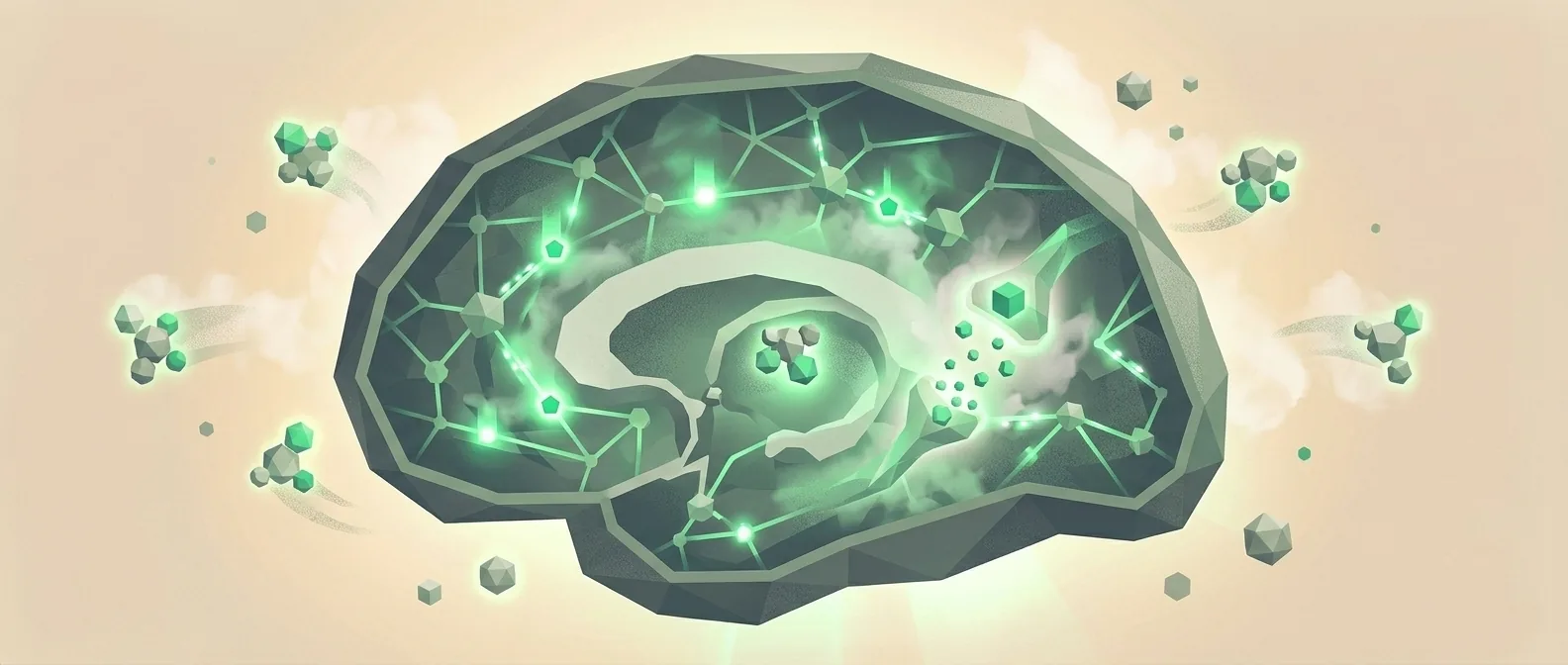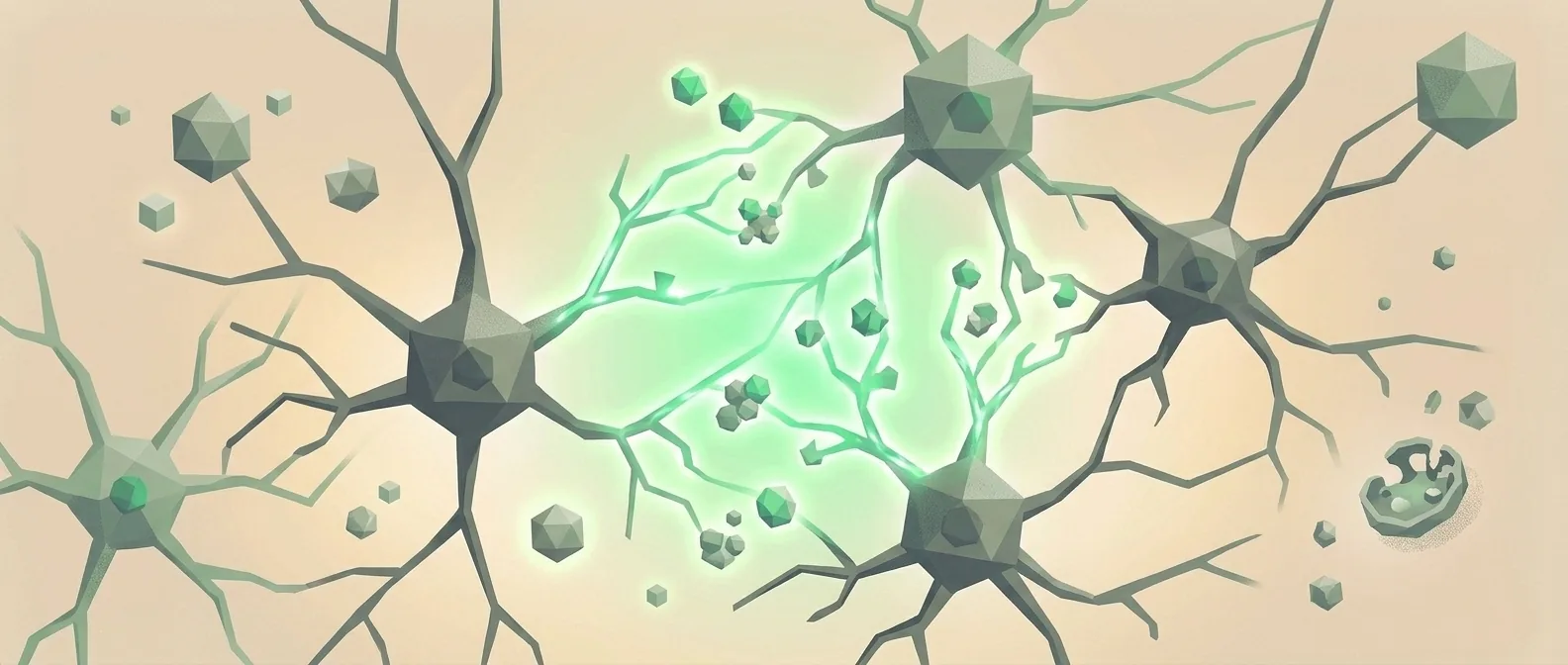
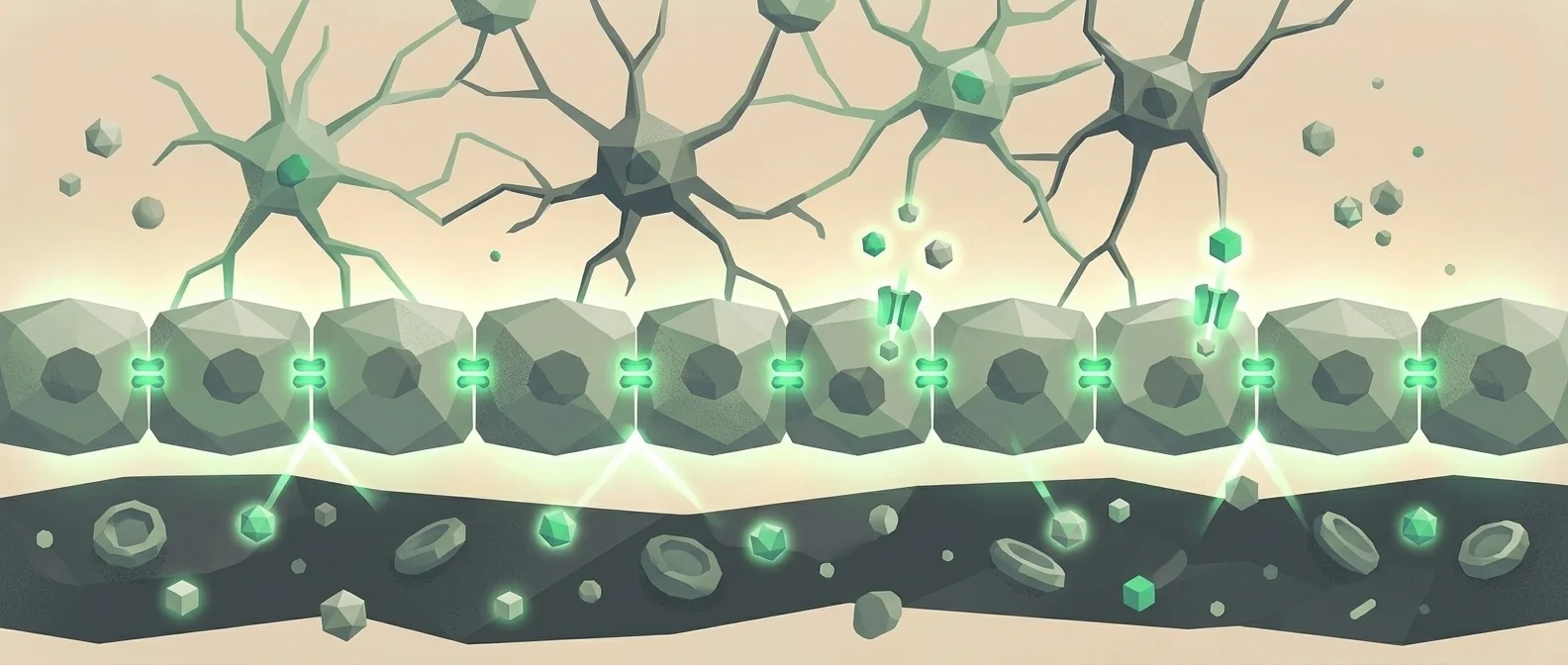
The blood-brain barrier (BBB) is a highly selective semipermeable border of endothelial cells that separates circulating blood from the brain's extracellular fluid. It protects the central nervous system from toxins, pathogens, and fluctuations in blood chemistry — but it also limits the delivery of many therapeutic and research compounds, including most peptides.
Understanding BBB biology is essential for researchers working with neuropeptides and CNS-targeted compounds. This article examines how the barrier works and the strategies being developed to improve peptide access to the brain.
BBB Structure and Function
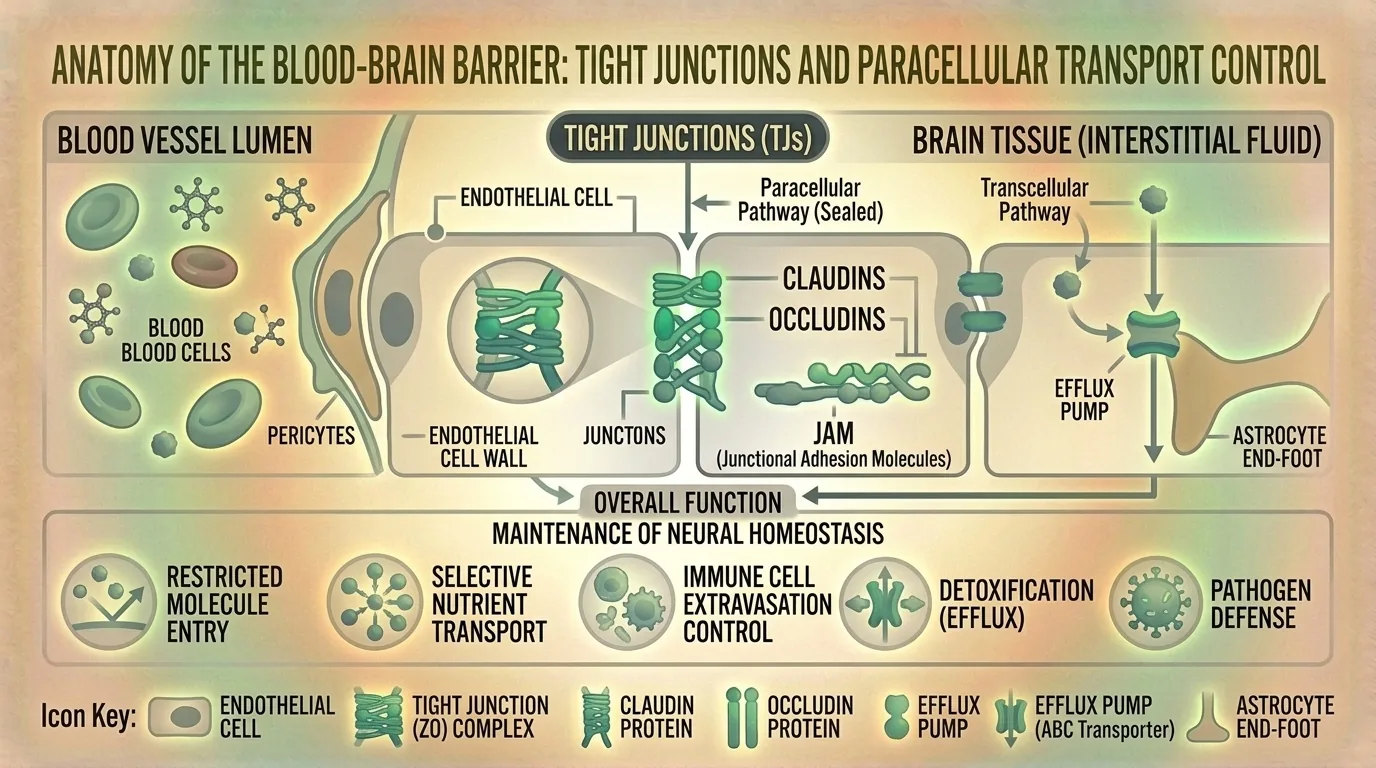
The BBB consists of brain microvascular endothelial cells connected by tight junctions — protein complexes (claudins, occludins, ZO proteins) that seal the gaps between cells. Unlike peripheral blood vessels, which allow relatively free molecular passage, BBB endothelial cells create a continuous barrier that restricts paracellular transport.
Why Most Peptides Can't Cross
- Size — Most peptides exceed the ~500 Da threshold for passive diffusion across the BBB
- Polarity — Peptides are generally hydrophilic, while passive BBB crossing favors lipophilic molecules
- Charge — Charged molecules are repelled by the negatively charged endothelial surface
- Enzymatic degradation — BBB endothelial cells express peptidases that degrade peptides
Strategies for CNS Delivery
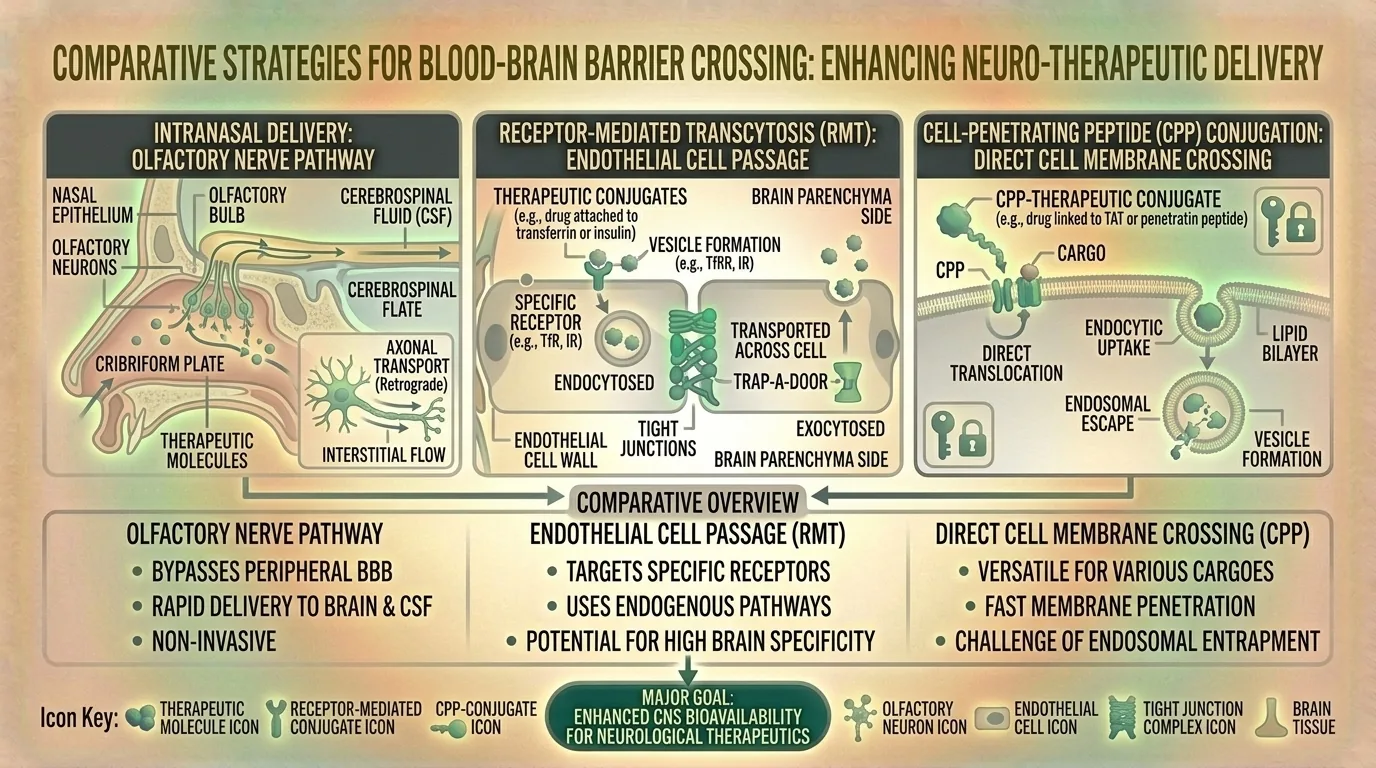
The nasal cavity provides a potential route to bypass the BBB entirely. The olfactory and trigeminal nerve pathways connect the nasal mucosa directly to the brain. Several neuropeptides (including Selank and Semax) have been studied using intranasal delivery, which may provide direct CNS access while avoiding first-pass metabolism.
Certain receptors on BBB endothelial cells (transferrin receptor, insulin receptor, LRP1) actively transport molecules across the barrier. Researchers are investigating ways to conjugate peptides to ligands for these receptors, essentially using the BBB's own transport machinery to shuttle peptides into the brain.
Cell-penetrating peptides (CPPs) are short amino acid sequences that can cross biological membranes. Conjugating a research peptide to a CPP sequence may enhance its ability to cross the BBB. The TAT peptide (derived from HIV-1) is the most studied CPP for BBB penetration.
Key Takeaways
- The BBB protects the brain but limits delivery of most peptides and large molecules
- Size, polarity, charge, and enzymatic degradation all contribute to poor BBB permeability
- Intranasal delivery may bypass the BBB via olfactory and trigeminal nerve pathways
- Receptor-mediated transcytosis and cell-penetrating peptides are active research strategies
- BBB penetration is compound-specific — each peptide's CNS access must be evaluated individually
Neuropeptide Research Compounds
Explore research-grade neuropeptides verified to 99%+ purity.
Shop Peptides