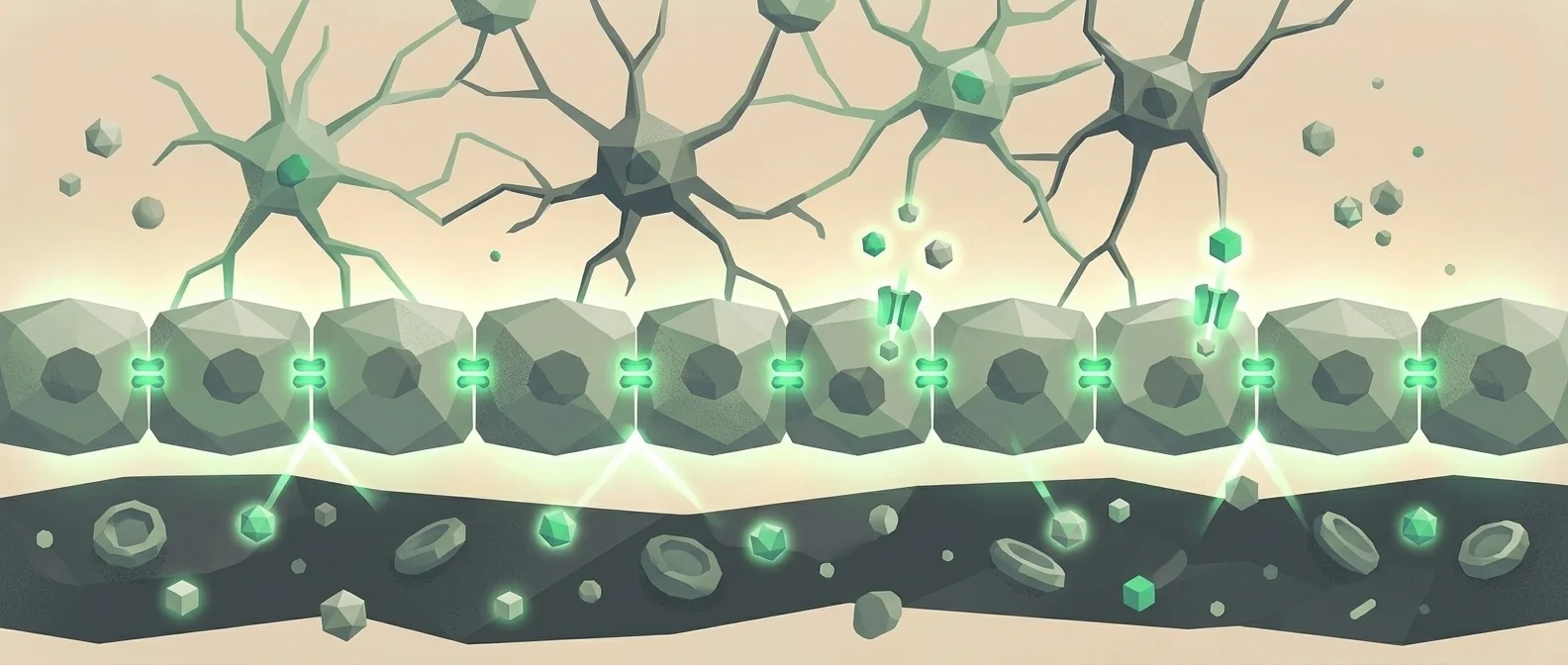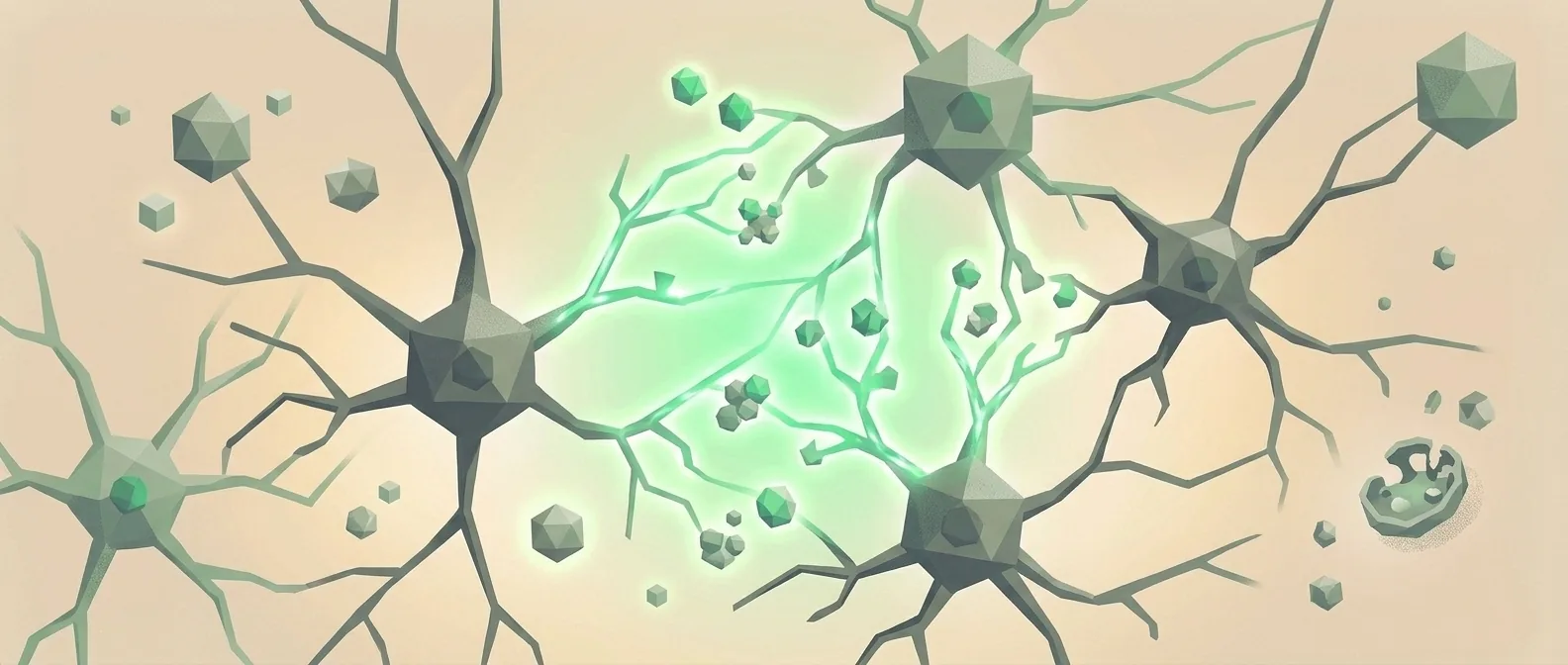

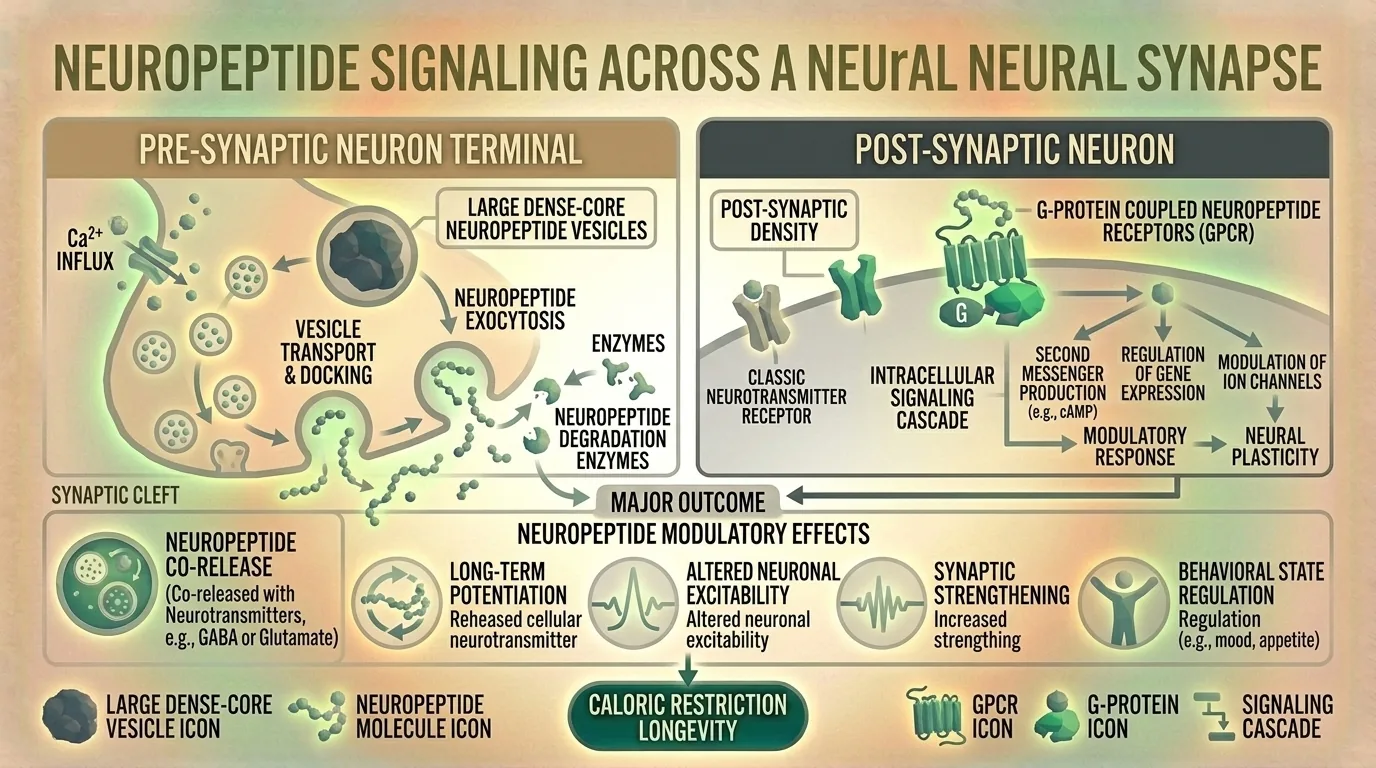
Neuropeptides are small protein-like molecules used by neurons to communicate with each other. Unlike classical neurotransmitters (dopamine, serotonin), neuropeptides modulate neural circuit activity over longer timeframes and broader regions — influencing processes like memory consolidation, attention, stress response, and neuroplasticity.
This article examines the key neuropeptides being studied for cognitive function, their proposed mechanisms, and the current state of evidence.
How Neuropeptides Differ from Neurotransmitters
| Property | Classical Neurotransmitters | Neuropeptides |
|---|---|---|
| Size | Small molecules (< 1 kDa) | Larger chains (3–100 amino acids) |
| Speed | Fast (milliseconds) | Slow (seconds to minutes) |
| Range | Synaptic cleft only | Can diffuse to nearby neurons (volume transmission) |
| Effect duration | Brief | Prolonged modulation |
| Synthesis | Enzymatic synthesis in terminals | Gene expression, processed from precursors |
Research Neuropeptides for Cognitive Function
Selank
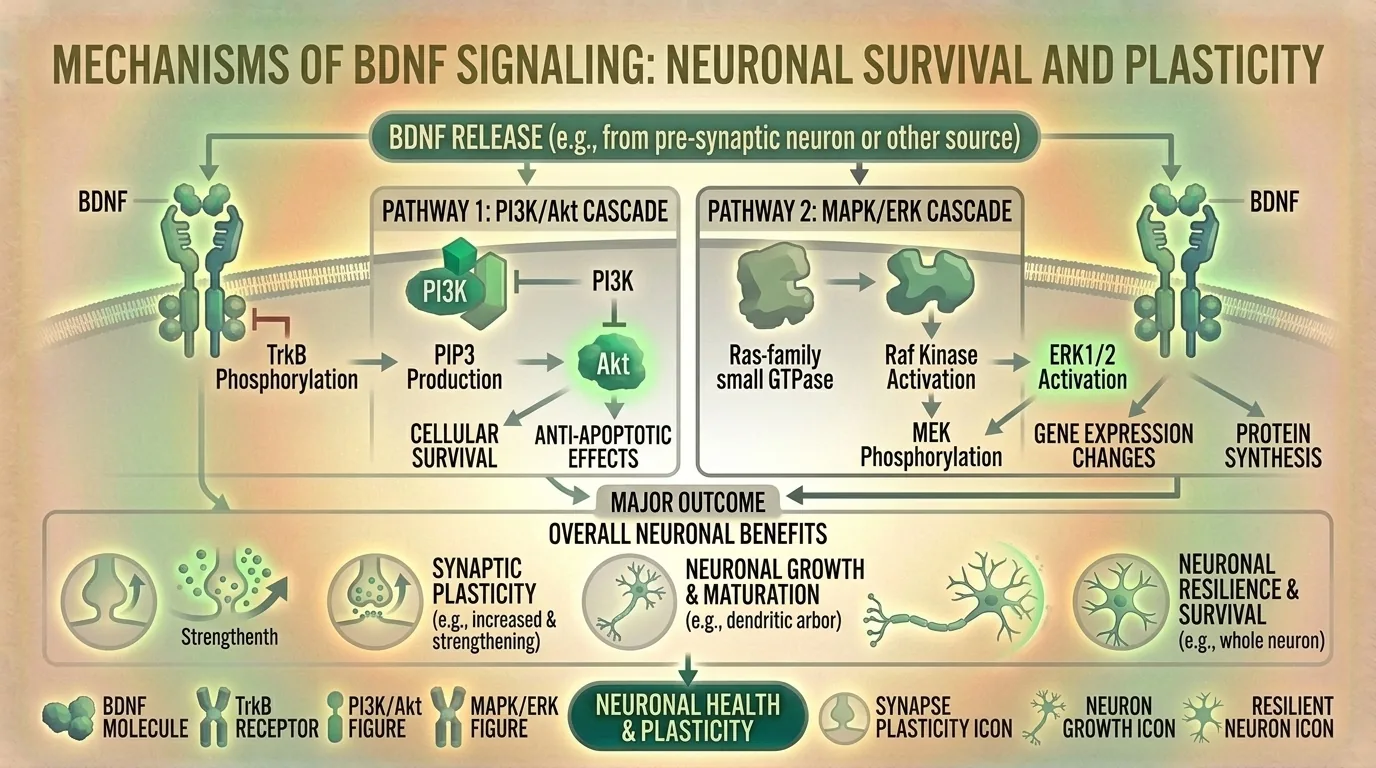
Selank is a synthetic analog of the naturally occurring immunomodulatory peptide tuftsin, with an additional Gly-Pro sequence. Research suggests it may influence anxiety-related behavior through GABAergic modulation and affect BDNF (brain-derived neurotrophic factor) expression, which is involved in synaptic plasticity and memory formation.
Semax
Semax is a synthetic analog of ACTH(4-10) — a fragment of adrenocorticotropic hormone. Studies have investigated its effects on BDNF levels, neurotrophic factor expression, and cerebral blood flow. In some preclinical models, Semax has shown activity in oxidative stress protection and neuronal survival pathways.
Dihexa
Dihexa is a synthetic hexapeptide studied for its interaction with hepatocyte growth factor (HGF) and its receptor c-Met — a signaling pathway involved in synapse formation. Preclinical research has investigated its potential to promote new synaptic connections, but human data is limited.
Key Takeaways
- Neuropeptides modulate brain function over longer timeframes than classical neurotransmitters
- Key cognitive neuropeptides include Selank, Semax, and Dihexa — each targeting different pathways
- BDNF expression, synaptic plasticity, and neurotrophic signaling are common research targets
- Most evidence comes from preclinical models — human cognitive outcome data is still developing
- Neuropeptide research is an active and evolving field with significant ongoing investigation
Selank 10mg — Research-Grade
Verified to 99%+ purity via independent HPLC and mass spectrometry analysis.