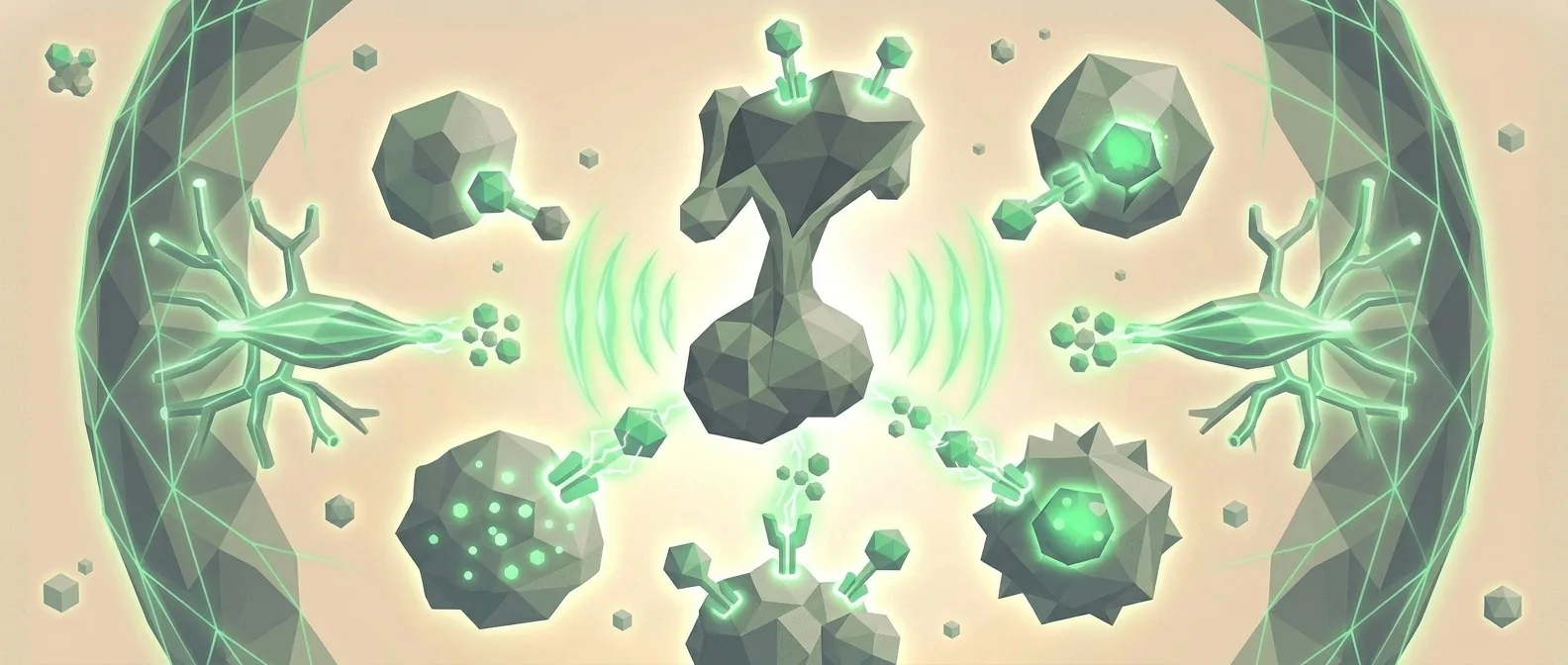
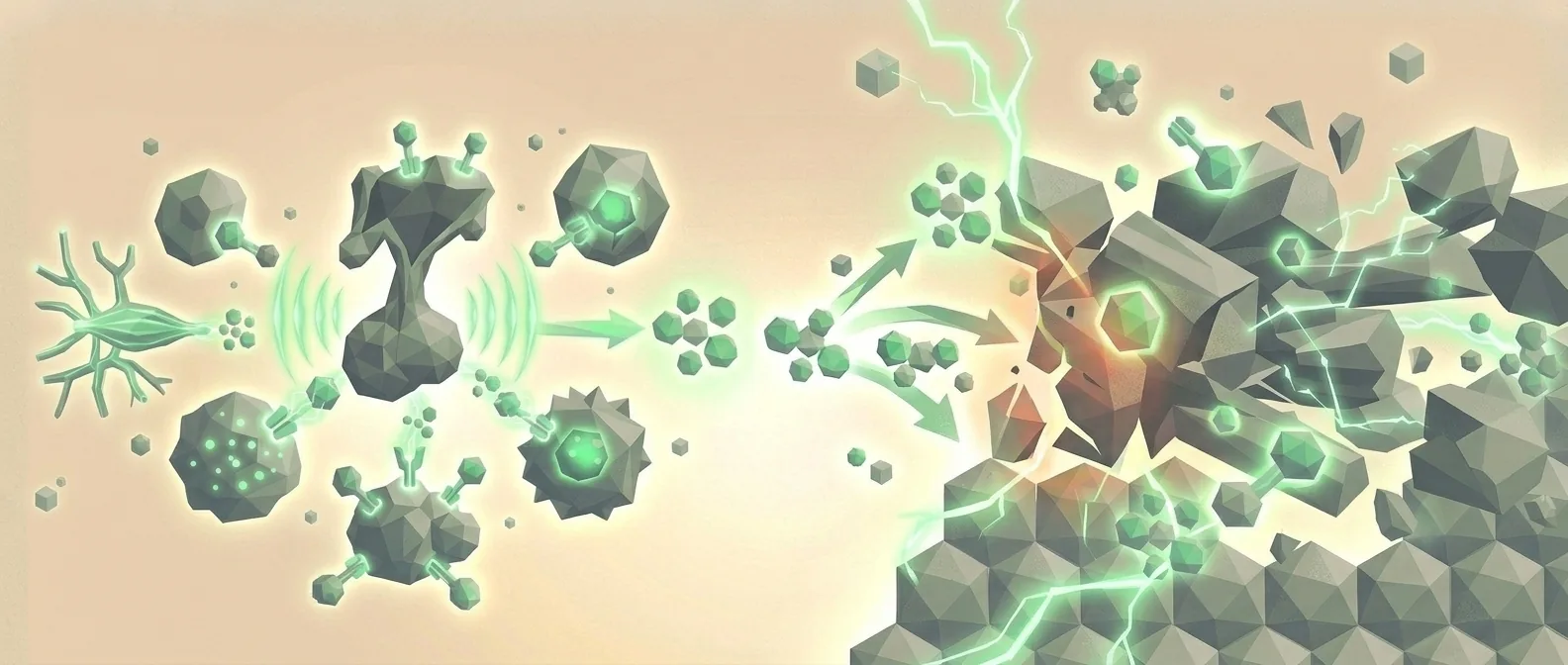
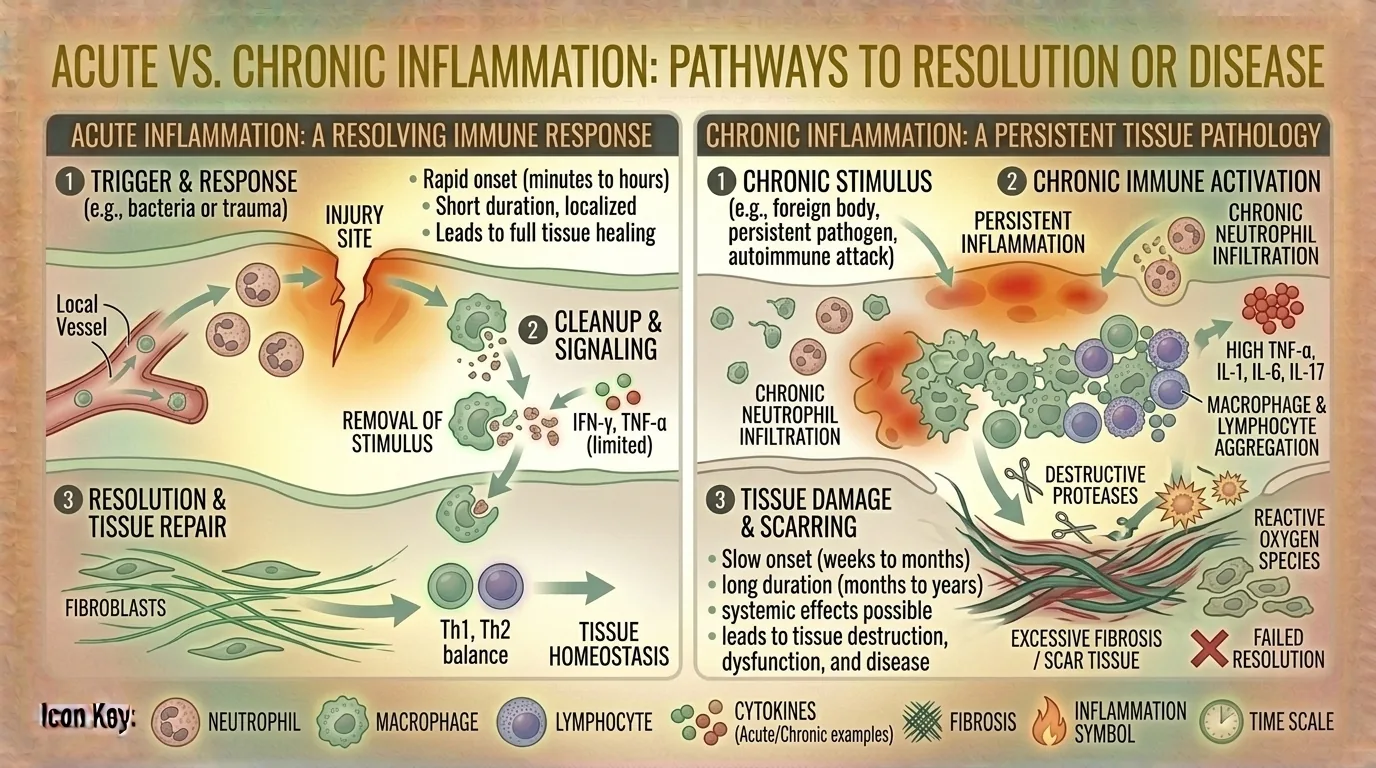
Inflammation is the immune system's response to tissue damage, infection, or cellular stress. Acute inflammation is protective — it recruits immune cells, eliminates threats, and initiates repair. But when inflammatory signaling persists chronically, it contributes to tissue damage, accelerated aging, and numerous disease processes.
Key Inflammatory Pathways
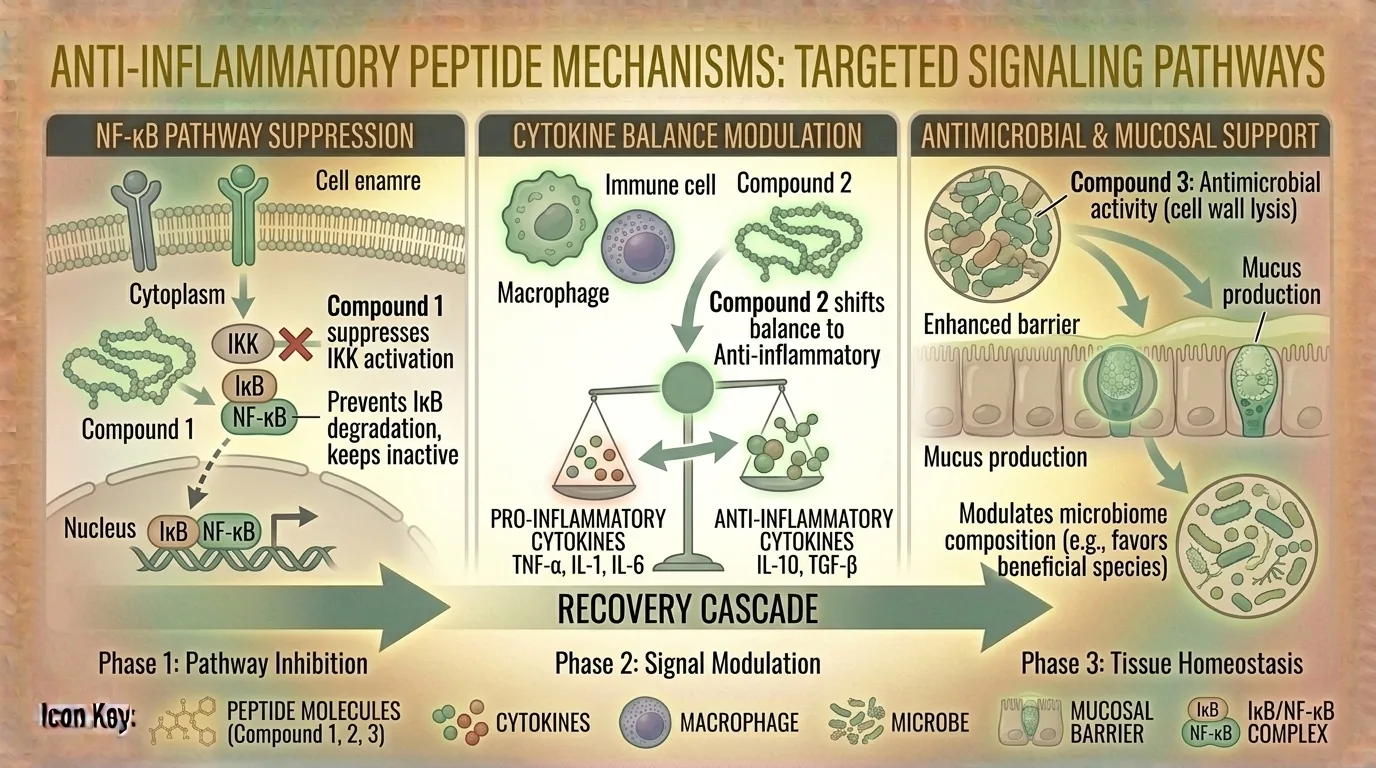
- NF-κB pathway — Master regulator of inflammatory gene expression; activated by TNF-α, IL-1β, and toll-like receptors
- JAK-STAT pathway — Mediates cytokine signaling; involved in both pro- and anti-inflammatory responses
- MAPK/ERK pathway — Regulates cell proliferation and inflammatory mediator production
- NLRP3 inflammasome — Intracellular sensor that activates IL-1β and IL-18 processing
Peptides with Anti-Inflammatory Research Profiles
| Peptide | Proposed Mechanism | Evidence Level |
|---|---|---|
| BPC-157 | NO system modulation, growth factor regulation | Moderate — extensive preclinical |
| KPV (α-MSH fragment) | Melanocortin receptor activation, NF-κB suppression | Preliminary — preclinical |
| LL-37 | Antimicrobial peptide with immunomodulatory properties | Moderate — clinical observations |
| Thymosin Alpha-1 | Cytokine balance modulation via TLR signaling | Moderate — clinical data |
| Thymosin Beta-4 | Actin sequestration, anti-inflammatory gene regulation | Preliminary — preclinical |
Acute vs. Chronic: Why the Distinction Matters
Key Takeaways
- Acute inflammation is protective; chronic inflammation drives tissue damage and disease
- Major inflammatory pathways include NF-κB, JAK-STAT, MAPK, and NLRP3 inflammasome
- Multiple peptides show anti-inflammatory research profiles through different mechanisms
- The best anti-inflammatory compounds target chronic pathological inflammation while preserving acute protective responses
- Evidence levels vary — BPC-157 and Tα1 have the broadest data; KPV and TB-4 are earlier-stage
Immune & Recovery Compounds
Explore verified peptides for inflammation and immune research.
Shop Peptides