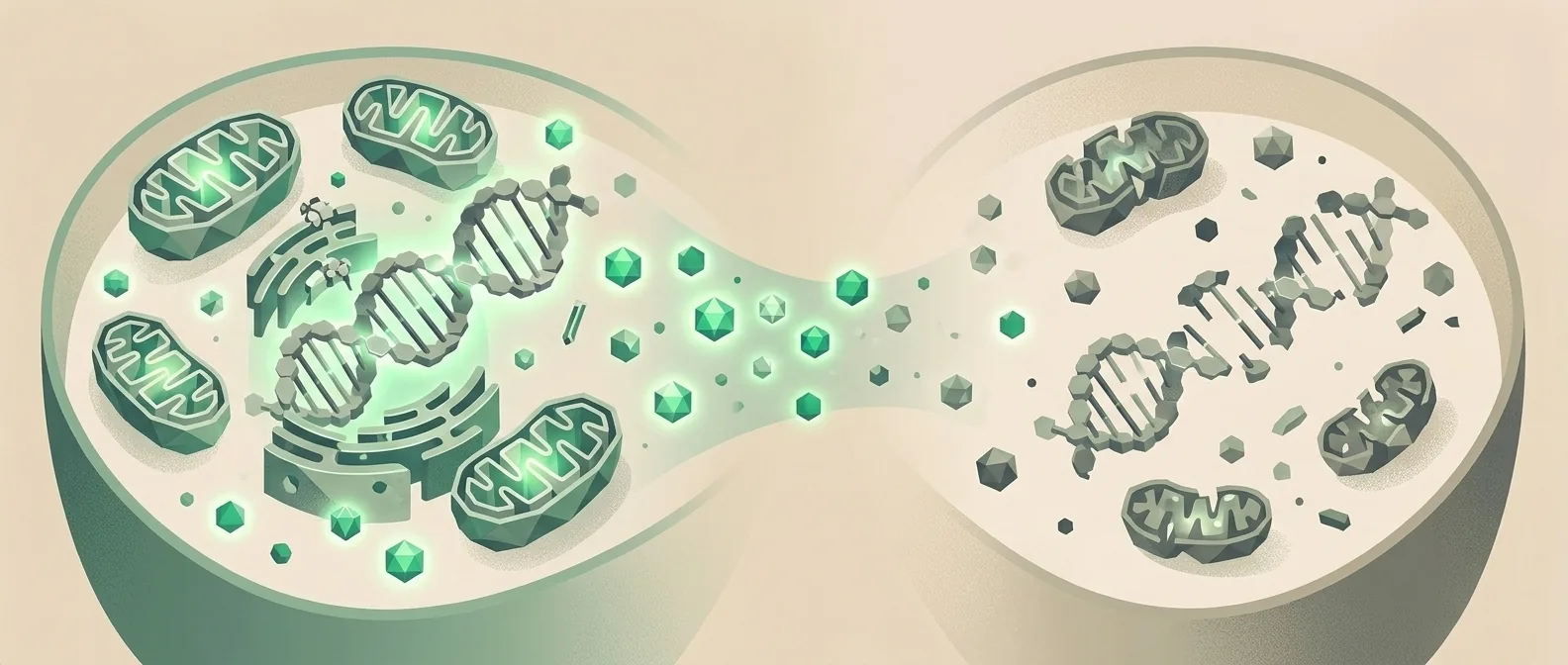

Mitochondria are double-membrane organelles responsible for producing adenosine triphosphate (ATP) — the primary energy currency of the cell. Through oxidative phosphorylation, mitochondria convert nutrients into usable cellular energy, powering everything from muscle contraction to protein synthesis to DNA repair.
Mitochondrial dysfunction is increasingly recognized as a hallmark of aging and a contributing factor in numerous age-related conditions. This article reviews mitochondrial biology, how function declines with age, and the research compounds being studied in this context.
How Mitochondria Produce Energy
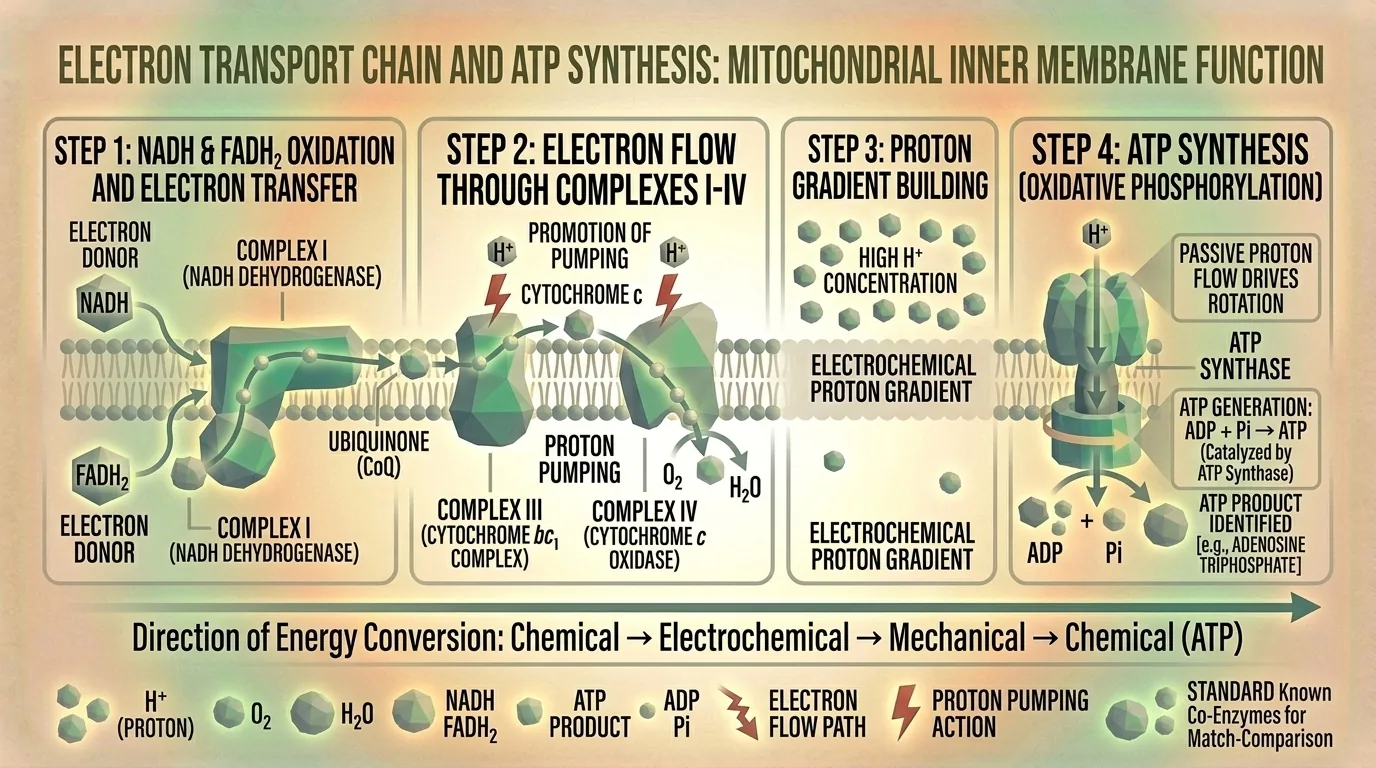
The electron transport chain (ETC) on the inner mitochondrial membrane passes electrons through a series of protein complexes (Complex I–IV), creating a proton gradient. ATP synthase (Complex V) then uses this gradient to drive ATP synthesis. A healthy human body produces roughly its own weight in ATP every day.
The Free Radical Connection
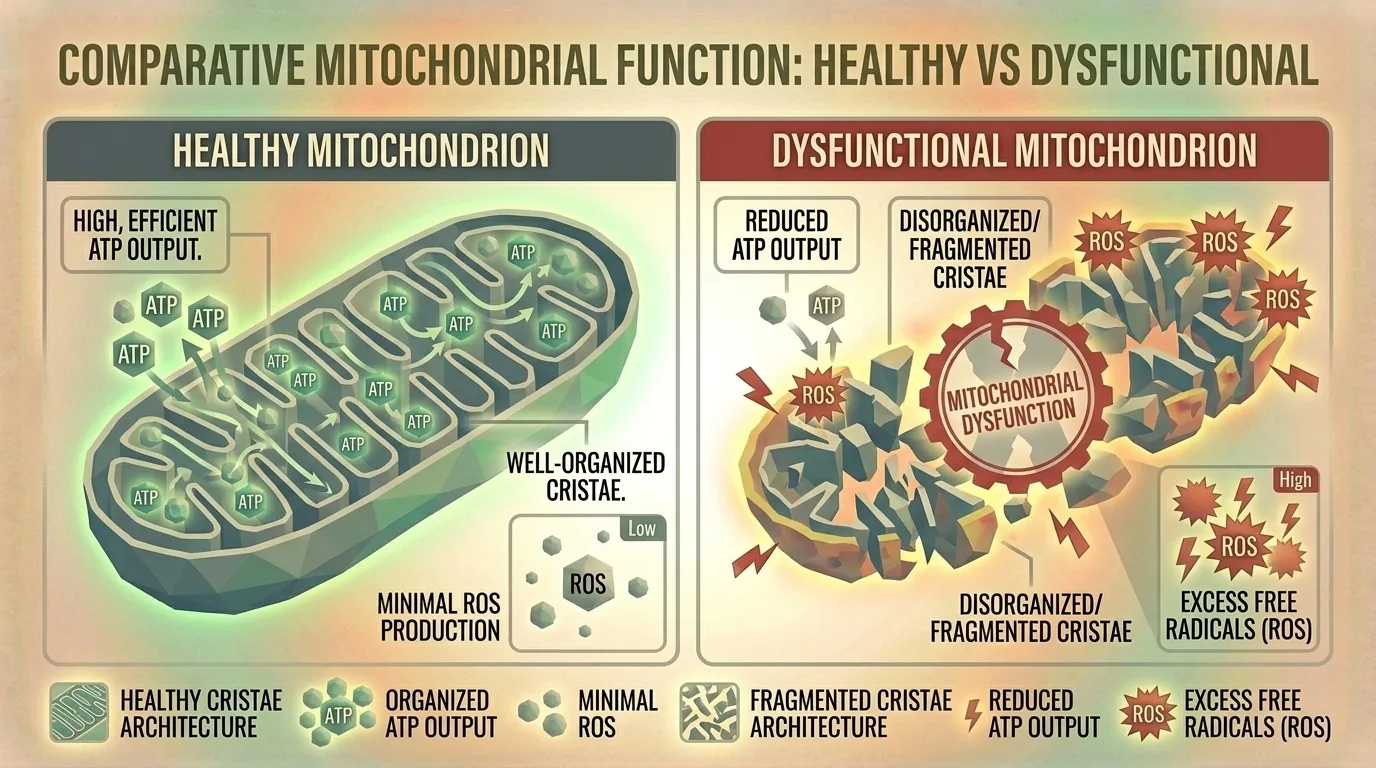
Normal ETC operation inevitably produces reactive oxygen species (ROS) as byproducts — primarily superoxide radicals from Complexes I and III. At low levels, ROS serve important signaling functions. But excessive ROS production damages mitochondrial DNA, proteins, and lipids — creating a feed-forward cycle of dysfunction.
Age-Related Mitochondrial Decline
- Reduced ATP output — Aging cells show decreased oxidative phosphorylation efficiency
- Increased ROS — Damaged ETC complexes produce more free radicals
- mtDNA mutations — Mitochondrial DNA accumulates mutations (no histone protection, limited repair)
- Impaired biogenesis — The process of generating new mitochondria (biogenesis) slows
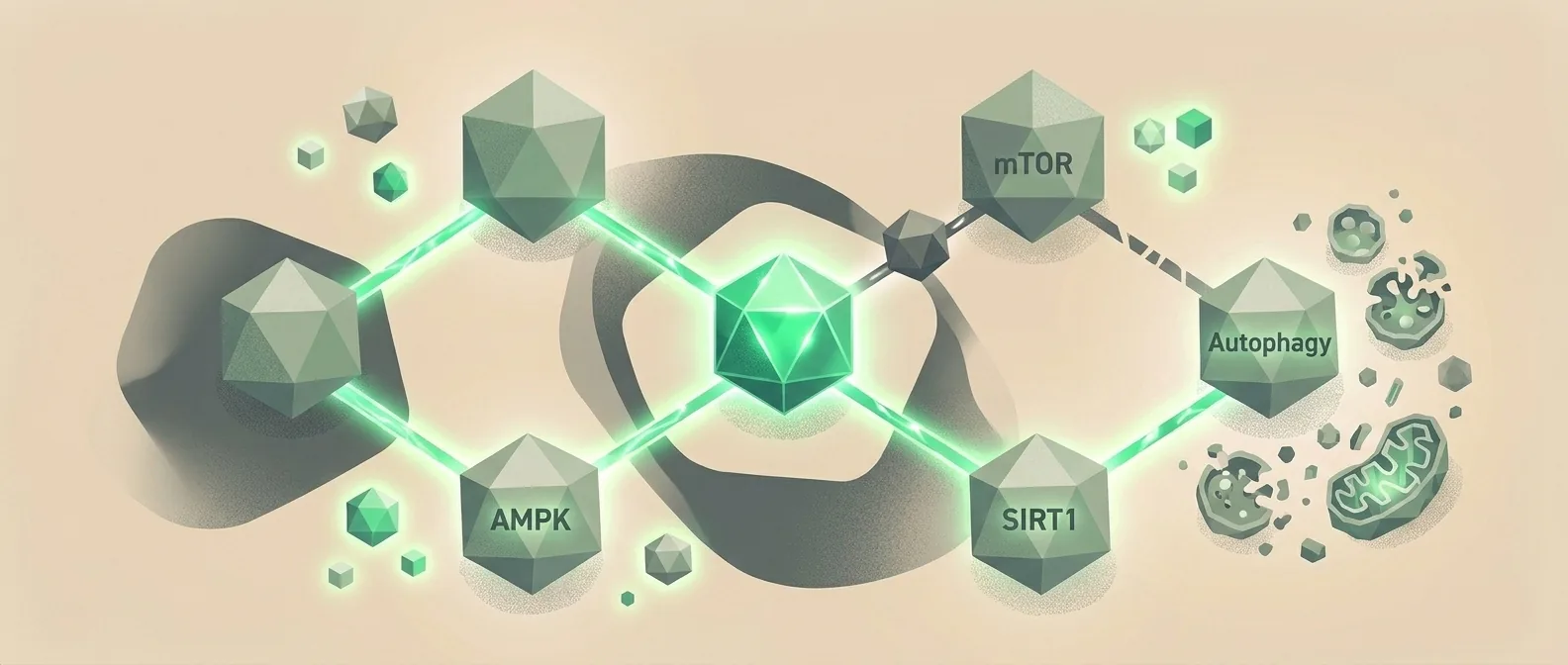
- Dysfunctional quality control — Mitophagy (removal of damaged mitochondria) becomes less efficient
Research Compounds Targeting Mitochondrial Function
| Compound | Proposed Mechanism | Evidence Level |
|---|---|---|
| SS-31 (Elamipretide) | Targets cardiolipin in inner membrane, stabilizes ETC | Moderate — Phase 2/3 clinical trials |
| NAD+ precursors | Support sirtuin-mediated mitochondrial biogenesis | Moderate — human trials ongoing |
| CoQ10 / Ubiquinol | Electron carrier in ETC; antioxidant | Moderate — human supplementation data |
| MOTS-c | Mitochondria-derived peptide regulating metabolic homeostasis | Preliminary — preclinical |
| Humanin | Mitochondria-derived peptide with cytoprotective properties | Preliminary — preclinical |
Key Takeaways
- Mitochondria produce ATP through oxidative phosphorylation — powering all cellular processes
- Normal energy production generates ROS, which at excess levels damage mitochondrial components
- Mitochondrial dysfunction follows a vicious cycle: damage → more ROS → more damage
- Age-related decline involves reduced ATP, increased mutations, and impaired quality control
- Multiple research compounds target different aspects of mitochondrial function
Research Compounds
Explore independently verified peptides and compounds relevant to cellular health research.
Shop Peptides