
Immune Health
7 productsImmunomodulation and cellular defense research compounds.
7 products
Scientific Overview & Research Target
Peptide research in immune function examines compounds that interact with thymic-derived immune modulation, NF-kB–linked inflammatory signaling, master antioxidant redox balance, and mitochondrial bioenergetics that shape immune cell performance.
Studies suggest that thymosin alpha peptides modulate dendritic cells, T-cell subsets, and TLR-related pathways in published immune models; KPV limits NF-κB nuclear translocation in inflammatory assays; glutathione supports redox-sensitive immune enzyme function; and SS-31 is investigated for mitochondrial membrane efficiency with readouts relevant to metabolically active immune cells.
Looking for detailed research protocols?
Review our comprehensive scientific guide on immune health peptide pathways.
Cellular Mechanisms & Study Pathways
Innate & Adaptive Modulation
Research suggests thymosin family peptides influence TLR signaling, dendritic cell maturation, and T-helper balance—longstanding investigational themes in immunostimulatory and immunoregulatory peptide science.
NF-κB Inflammatory Control
Studies indicate KPV, an alpha-MSH–derived fragment, stabilizes IκB and limits NF-κB nuclear translocation, reducing transcription of IL-6, TNF-alpha, and related cytokines in epithelial and immune co-culture models.
Antioxidant Immune Signaling
Research suggests glutathione regulates NF-kB and redox-sensitive kinases, supporting lymphocyte proliferation, antigen presentation, and interferon-gamma–linked pathways in oxidative stress models.
Mitochondrial Bioenergetics
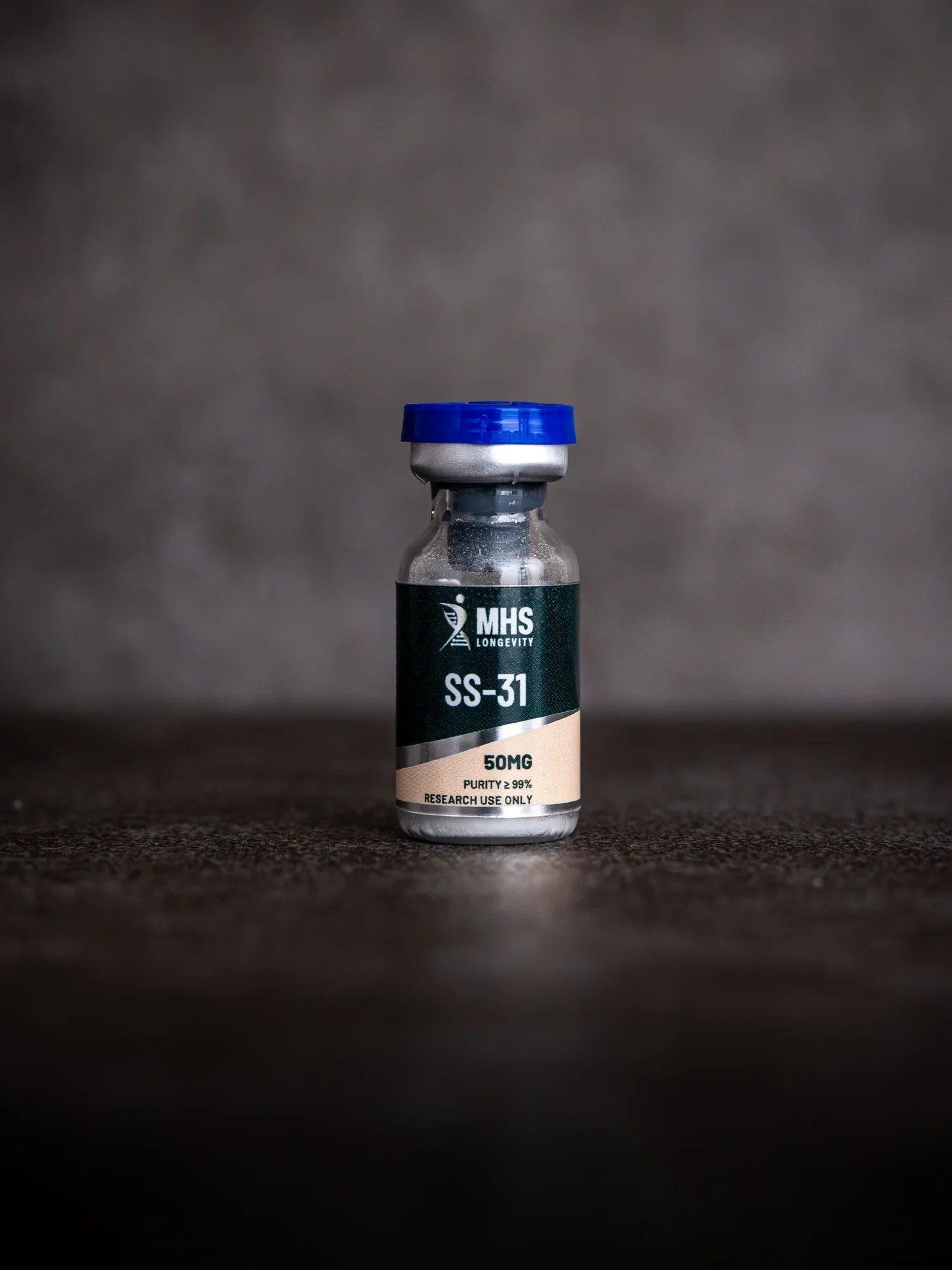
Studies indicate SS-31 associates with cardiolipin at the inner mitochondrial membrane, supporting electron transport efficiency and ATP output—parameters increasingly studied in effector versus exhausted immune cell phenotypes.
Key Research Compounds
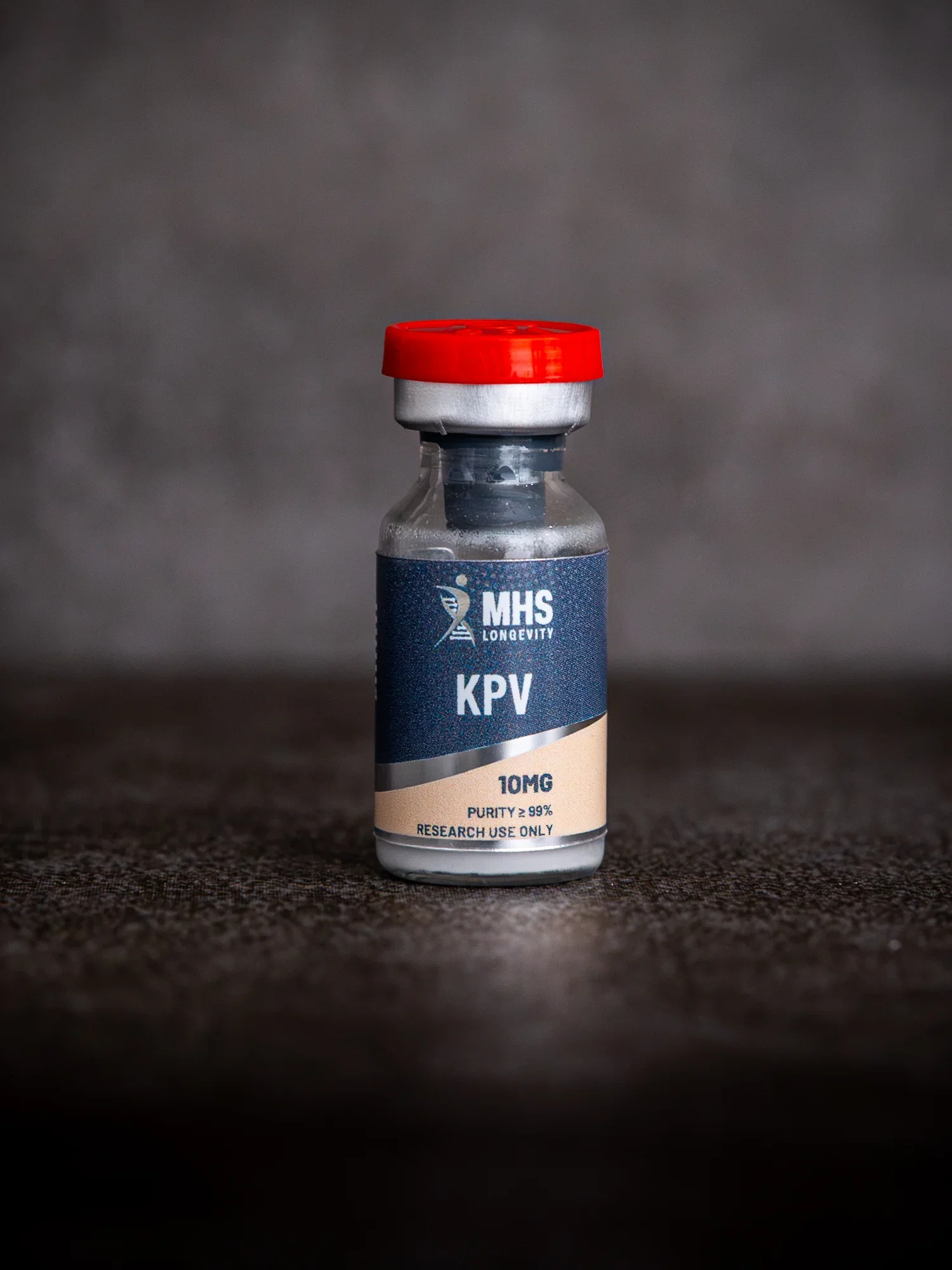
KPV 10mg
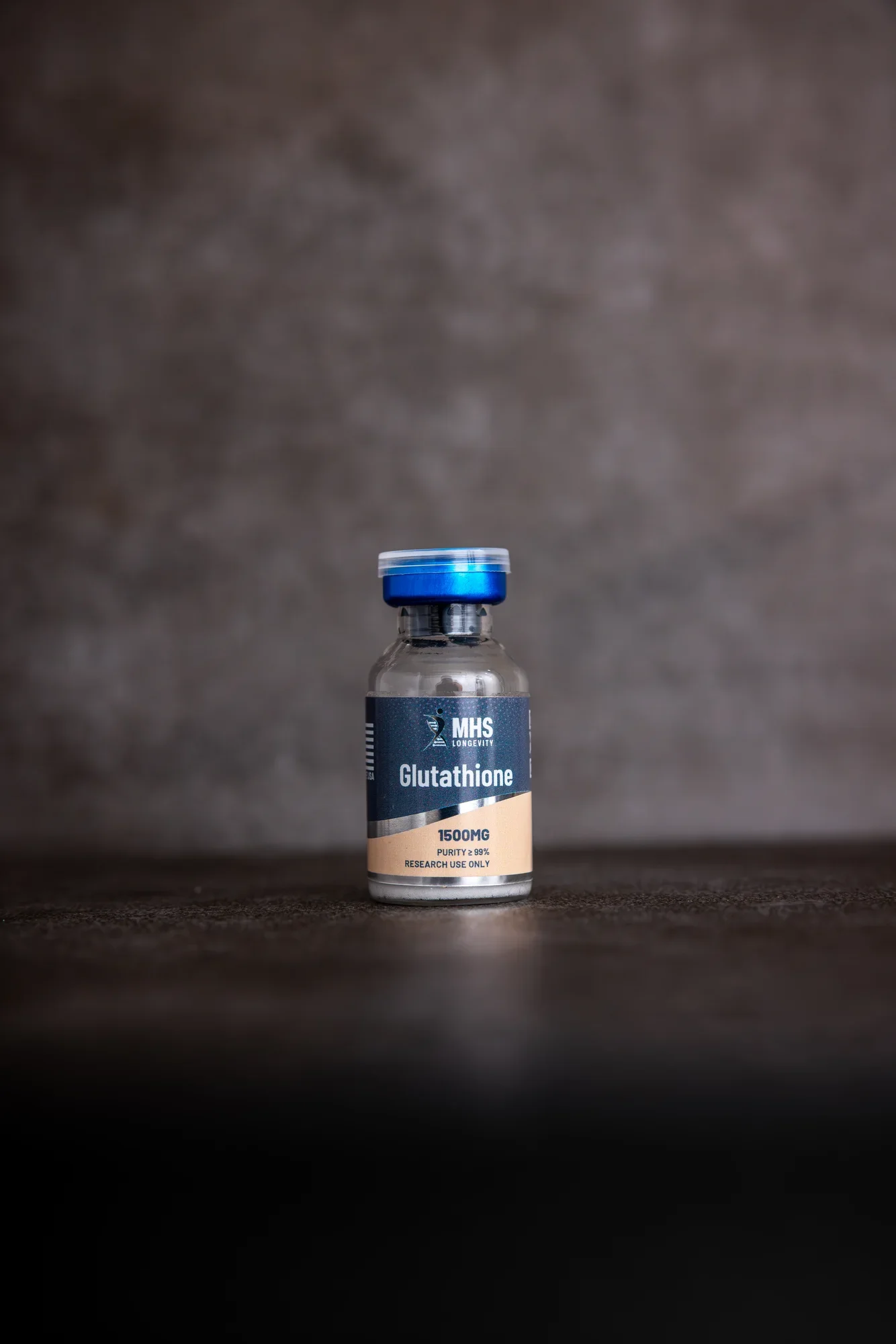
Glutathione 1500mg
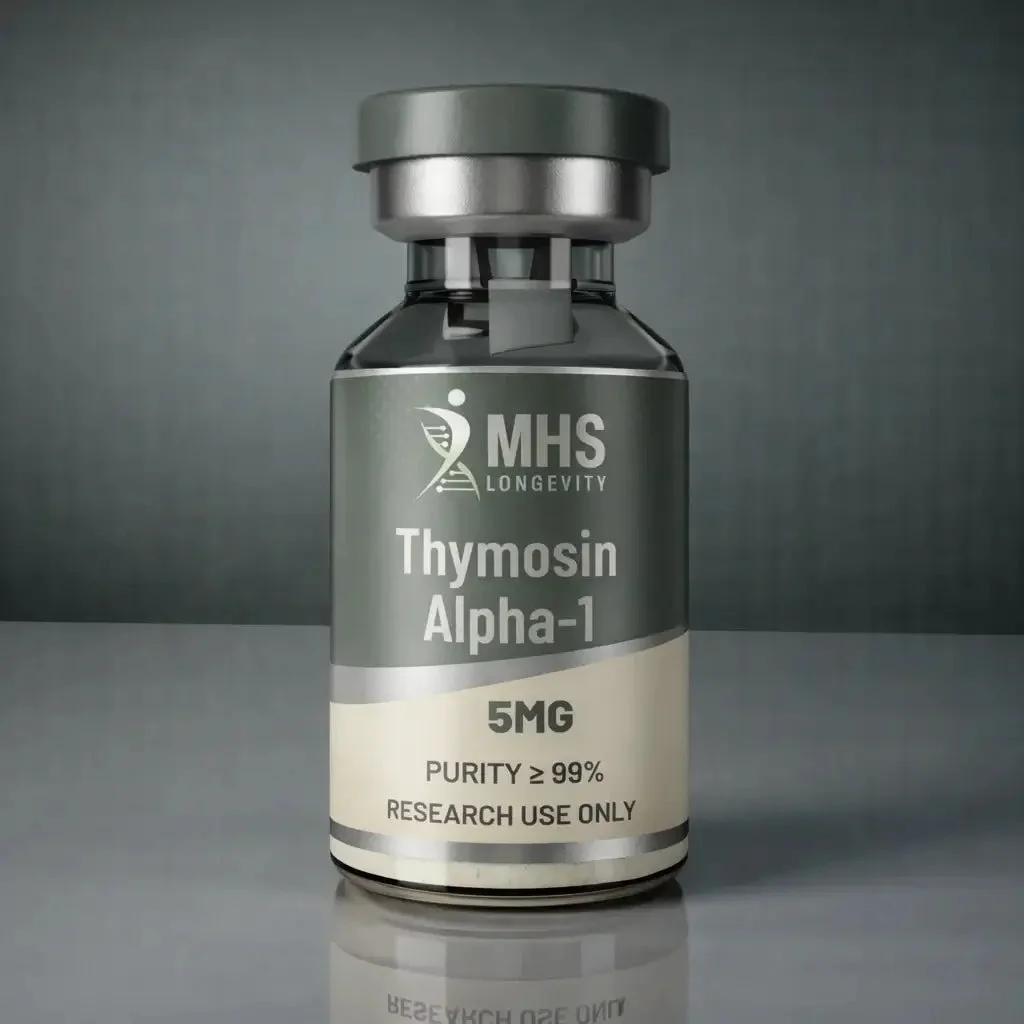
Thymosin Alpha-1 5mg
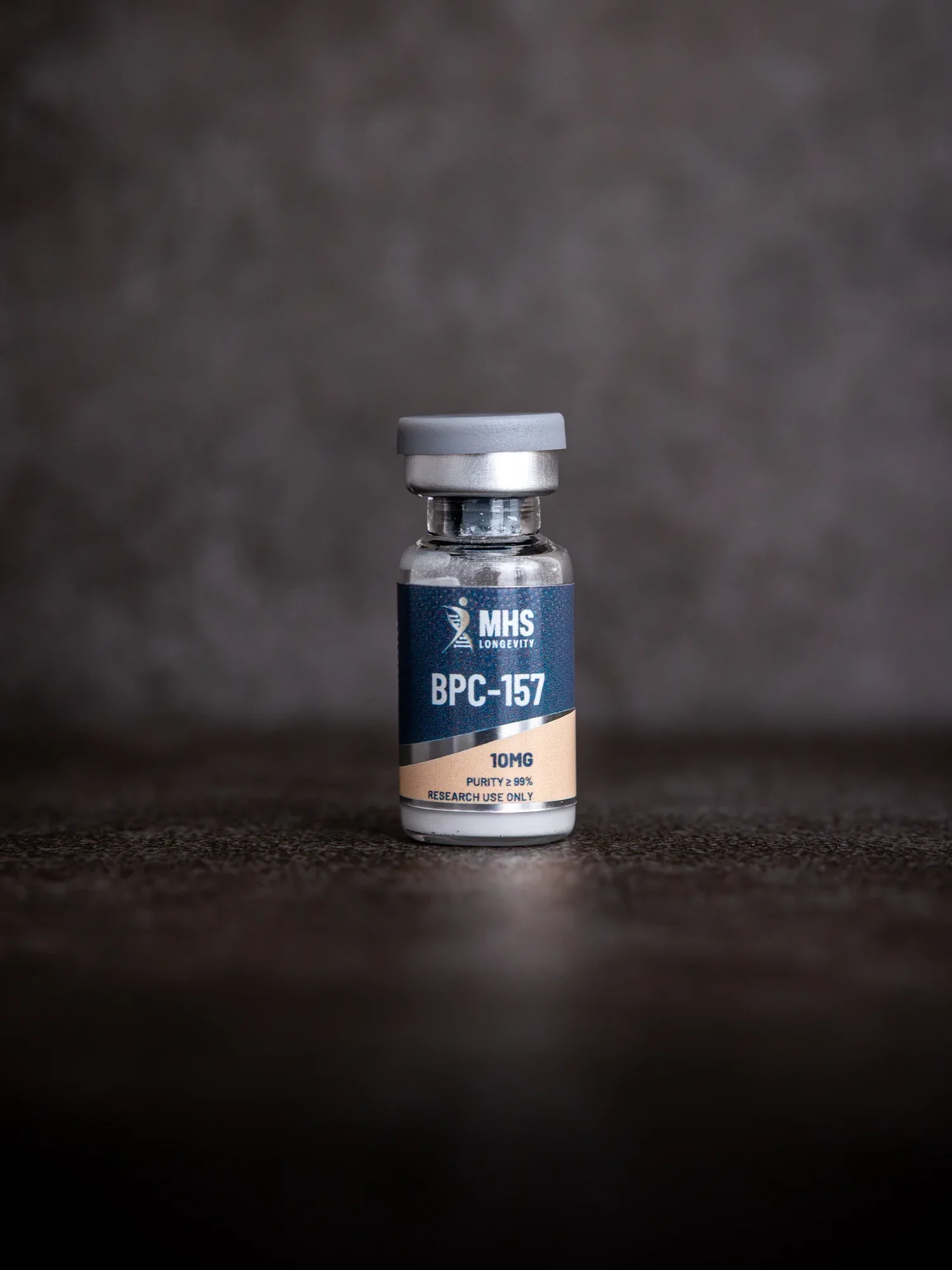
BPC-157 10mg
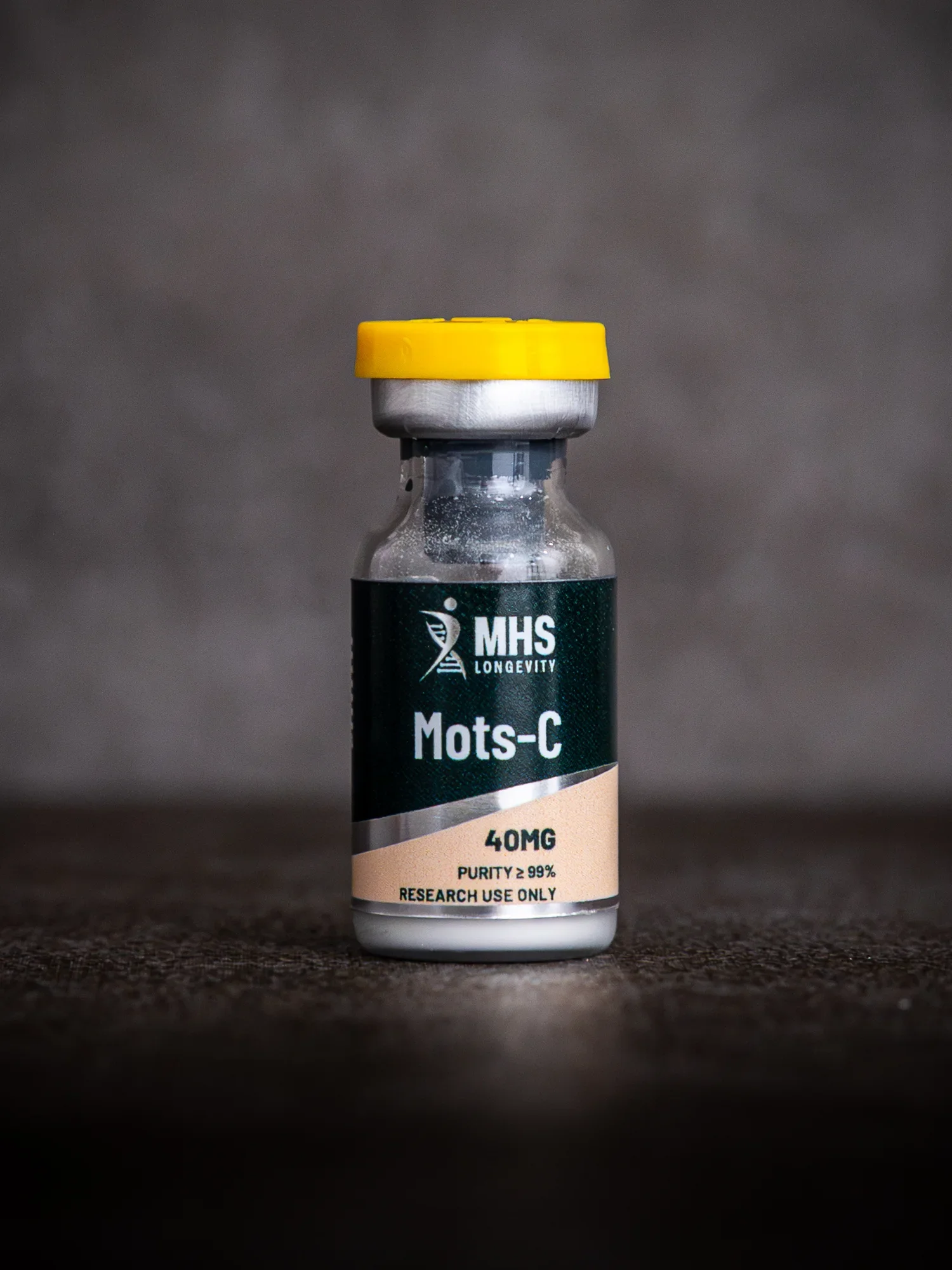
MOTS-C 40mg
SS-31 50mg
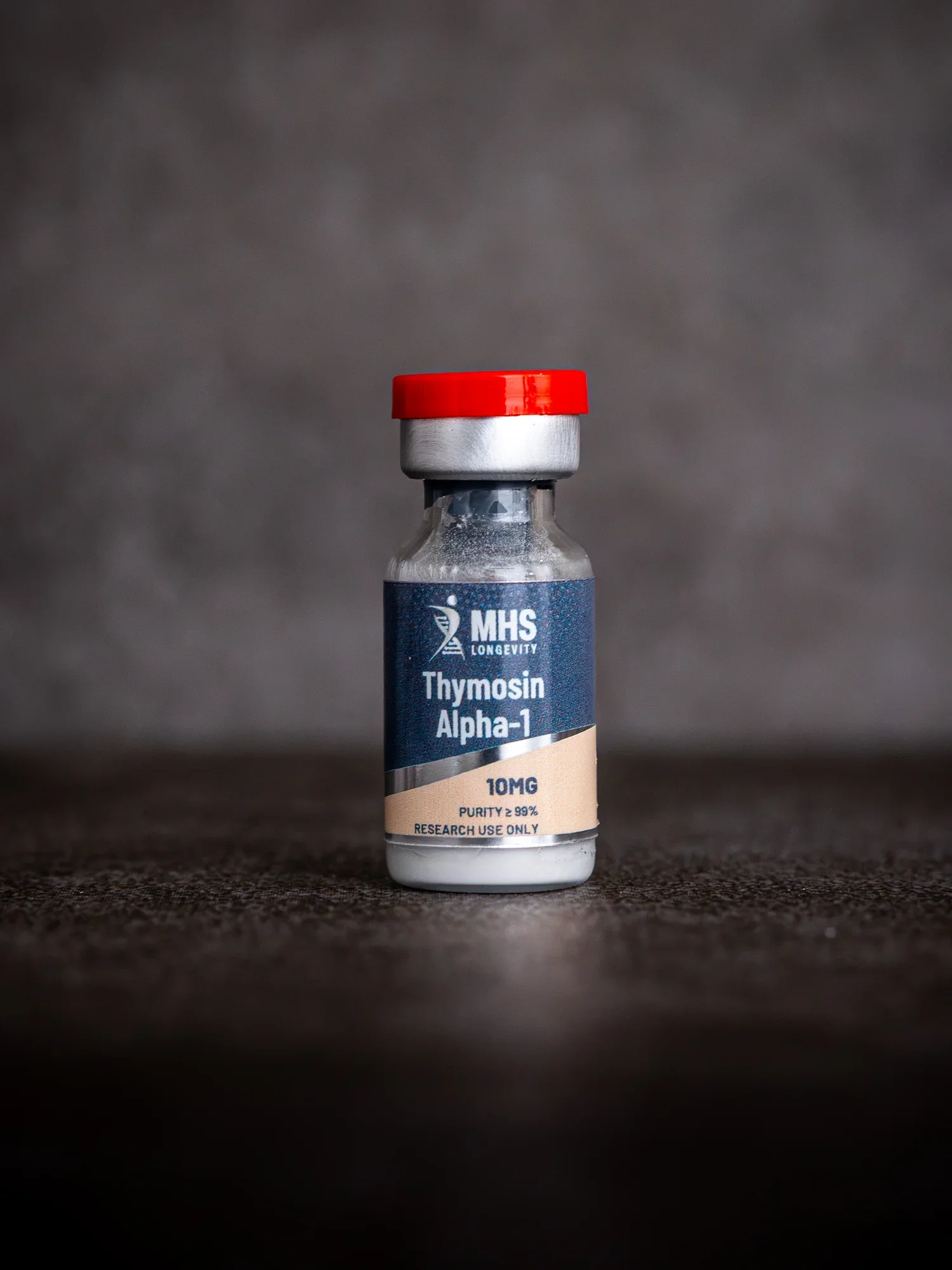
Thymosin Alpha 10mg
Frequently Asked Questions
What immune-modulating mechanisms do researchers investigate?
Studies analyze thymic-derived signaling (Thymosin Alpha-1) for T-cell differentiation, anti-inflammatory transcription factor modulation (KPV blocking NF-κB nuclear translocation), and systemic redox balance (Glutathione).
Are these compounds approved for clinical immunomodulation?
No. These peptides are research chemicals and are not approved for human clinical use to treat immune disorders or enhance immune defense.