
Longevity
4 productsCellular aging, telomere, and mitochondrial research compounds.
4 products

Scientific Overview & Research Target
Longevity-focused peptide research examines compounds that interact with fundamental mechanisms of cellular aging, including telomere maintenance, NAD+ homeostasis, mitochondrial signaling, and neuroendocrine regulation of sleep architecture.
Studies suggest that Epitalon may activate telomerase to support telomere length, NAD+ fuels sirtuin-mediated DNA repair pathways, MOTS-C regulates mitochondrial metabolism through AMPK activation, GHK-Cu supports matrix remodeling pathways, SS-31 (elamipretide) is studied for mitochondrial membrane bioenergetics, and Thymosin Alpha-1 modulates immune signaling relevant to aging-associated immune function.
Looking for detailed research protocols?
Review our comprehensive scientific guide on longevity peptide pathways.
Cellular Mechanisms & Study Pathways
Telomerase Activation
Research suggests Epitalon upregulates hTERT mRNA expression and telomerase activity, potentially extending telomere length in normal cells and counteracting replicative senescence associated with the Hayflick limit.
Sirtuin-Mediated DNA Repair
Studies indicate NAD+ serves as an essential cofactor for sirtuin deacetylases (SIRT1-7) and PARP enzymes, supporting DNA repair, mitophagy, and metabolic homeostasis that decline with age-related NAD+ depletion.
Mitochondrial Metabolic Signaling
Research suggests MOTS-C, a mitochondrial-derived peptide, activates AMPK and inhibits mTORC1 to reduce reactive oxygen species, improve insulin sensitivity, and restore metabolic function in aging models.
Mitochondrial Membrane Bioenergetics
Research suggests SS-31 targets cardiolipin-rich mitochondrial membranes, supporting electron transport efficiency and ATP production while moderating oxidative stress signaling in preclinical aging and fatigue models.
Key Research Compounds
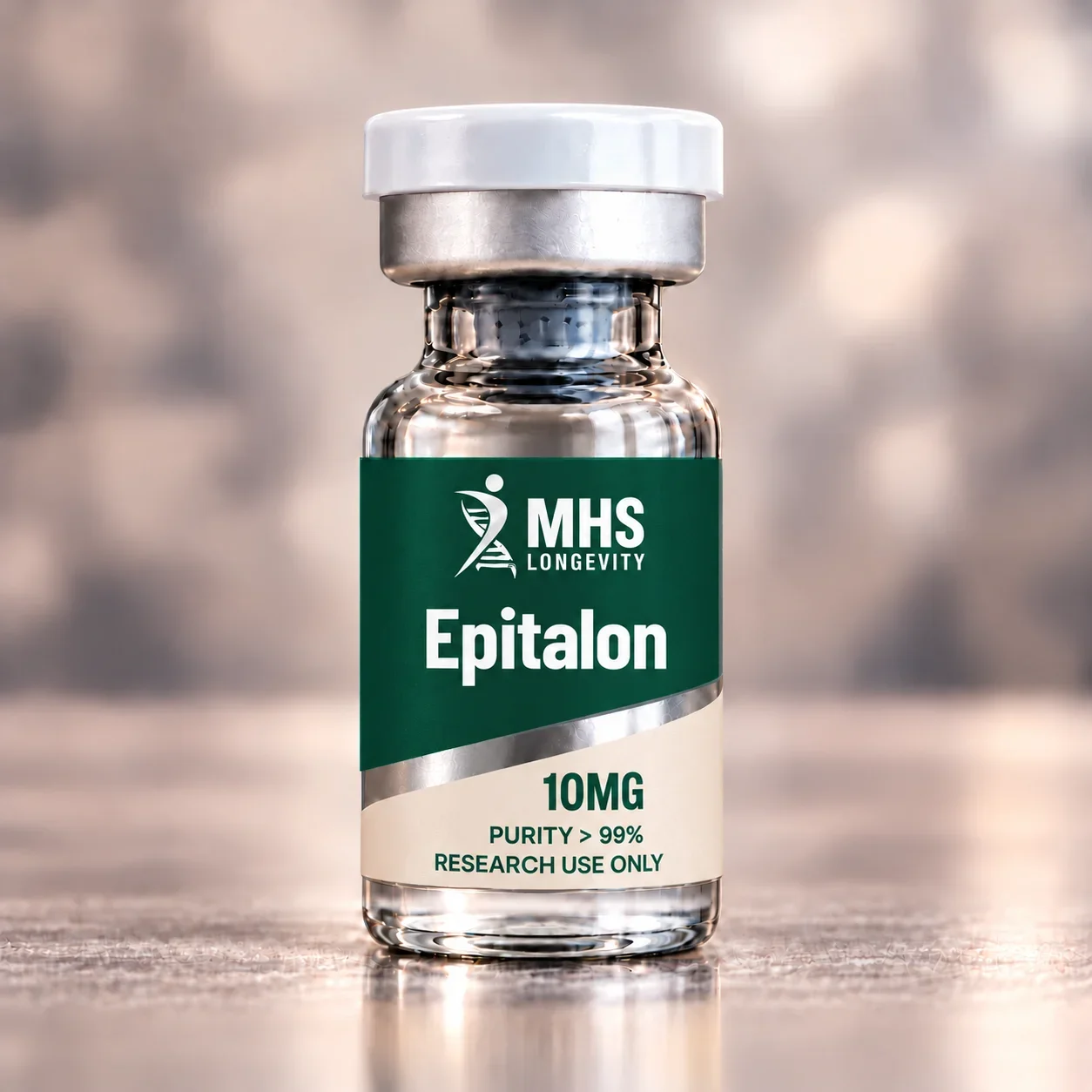
Epitalon 10mg
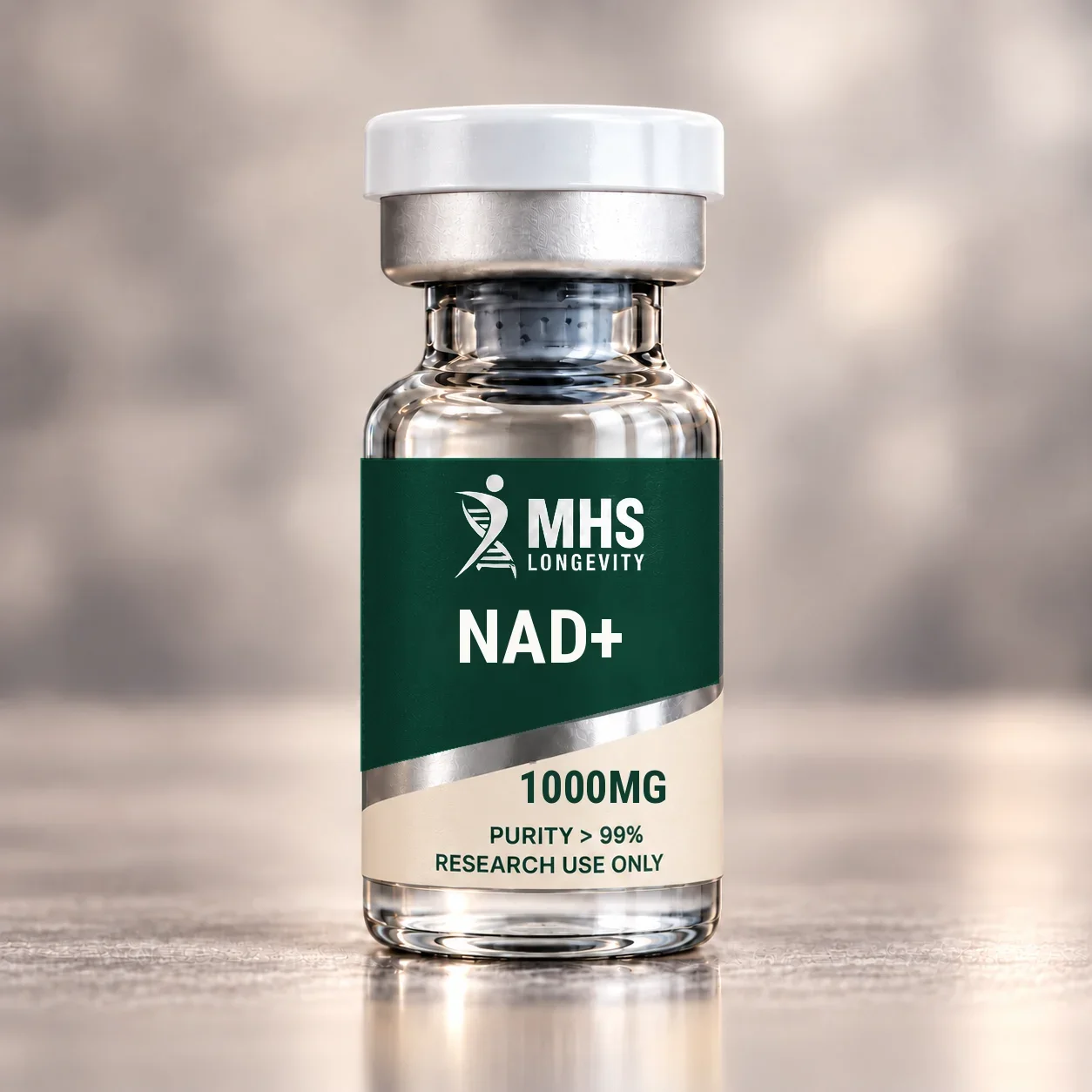
NAD 1000mg
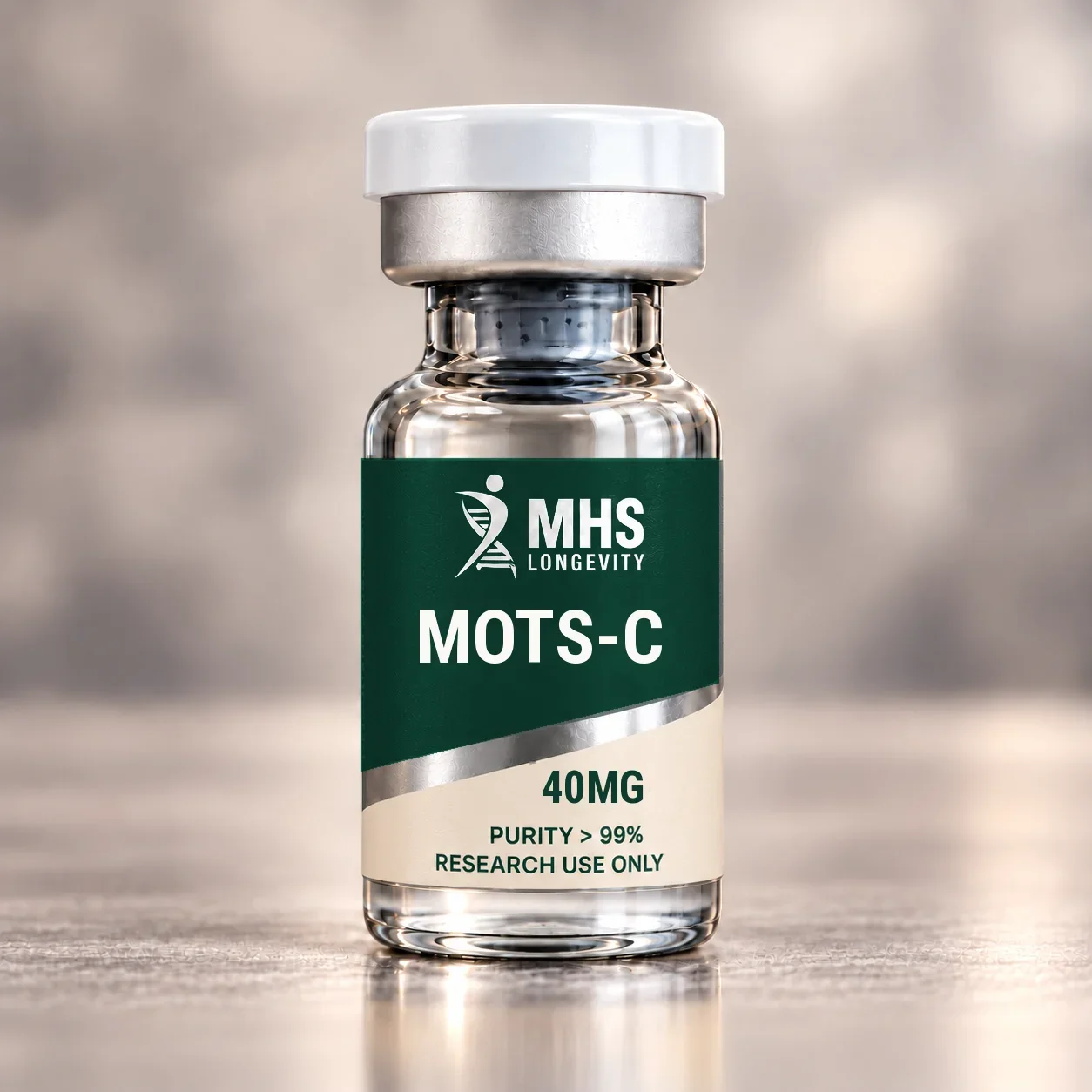
MOTS-C 40mg
SS-31 50mg
Frequently Asked Questions
What molecular mechanisms are explored in peptide-based longevity research?
Longevity research investigates telomerase activation (Epitalon), sirtuin-mediated DNA repair pathways (NAD+), mitochondrial-derived metabolic signaling (MOTS-C), and mitochondrial membrane bioenergetics (SS-31) to understand cellular aging.
Are anti-aging peptides approved for clinical longevity therapies?
No. These compounds are laboratory reagents intended for pre-clinical evaluation of cellular senescence and aging mechanisms, and are not approved for anti-aging therapies or human administration.