
Weight Loss
2 productsPeptide compounds targeting metabolic optimization and fat metabolism pathways.
2 products
Scientific Overview & Research Target
Research into peptide-based approaches to fat metabolism has identified compounds that may influence adipose tissue through distinct biological pathways. These include synthetic fragments of human growth hormone and targeted enzyme inhibitors that modulate cellular energy balance.
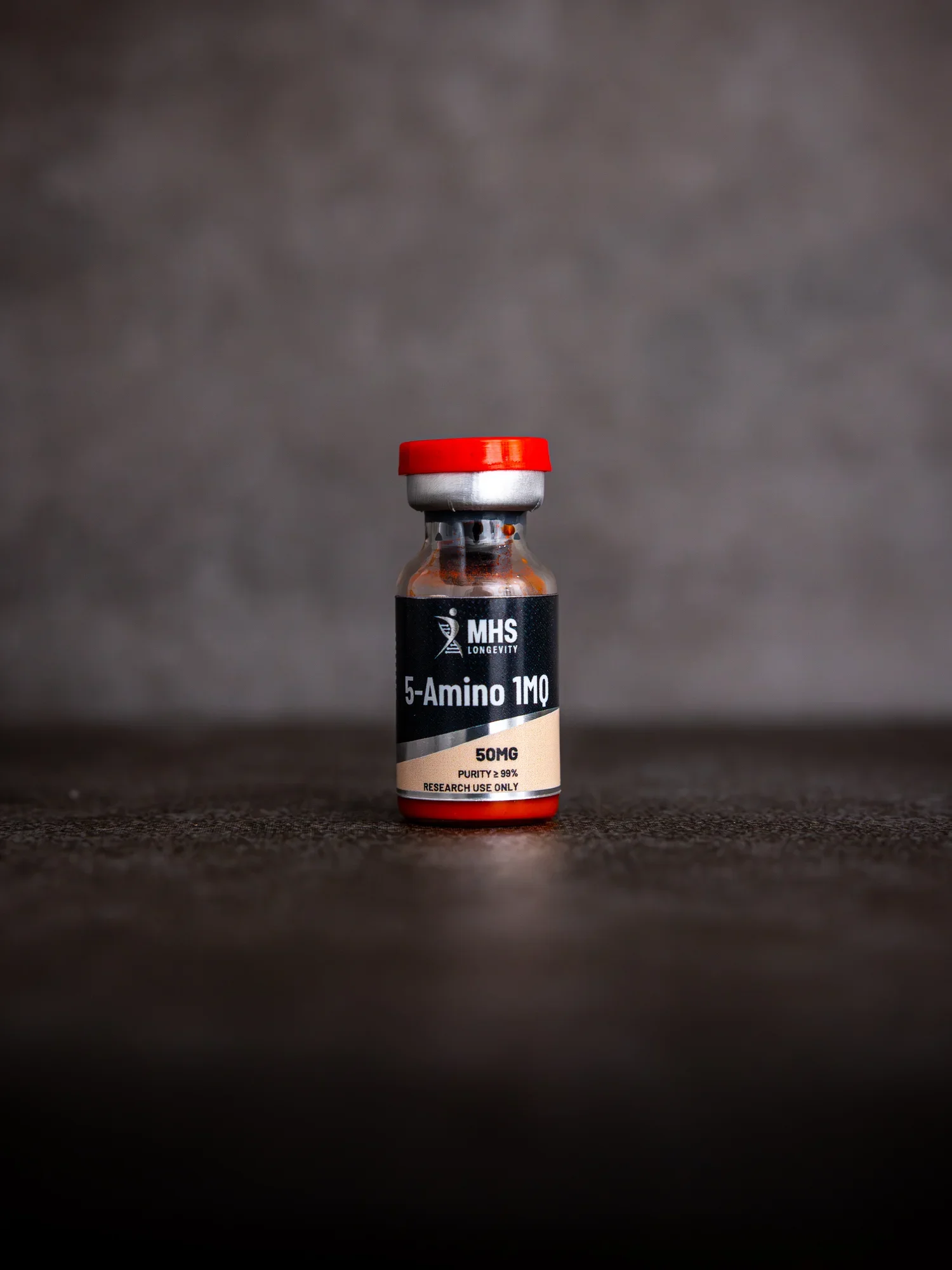
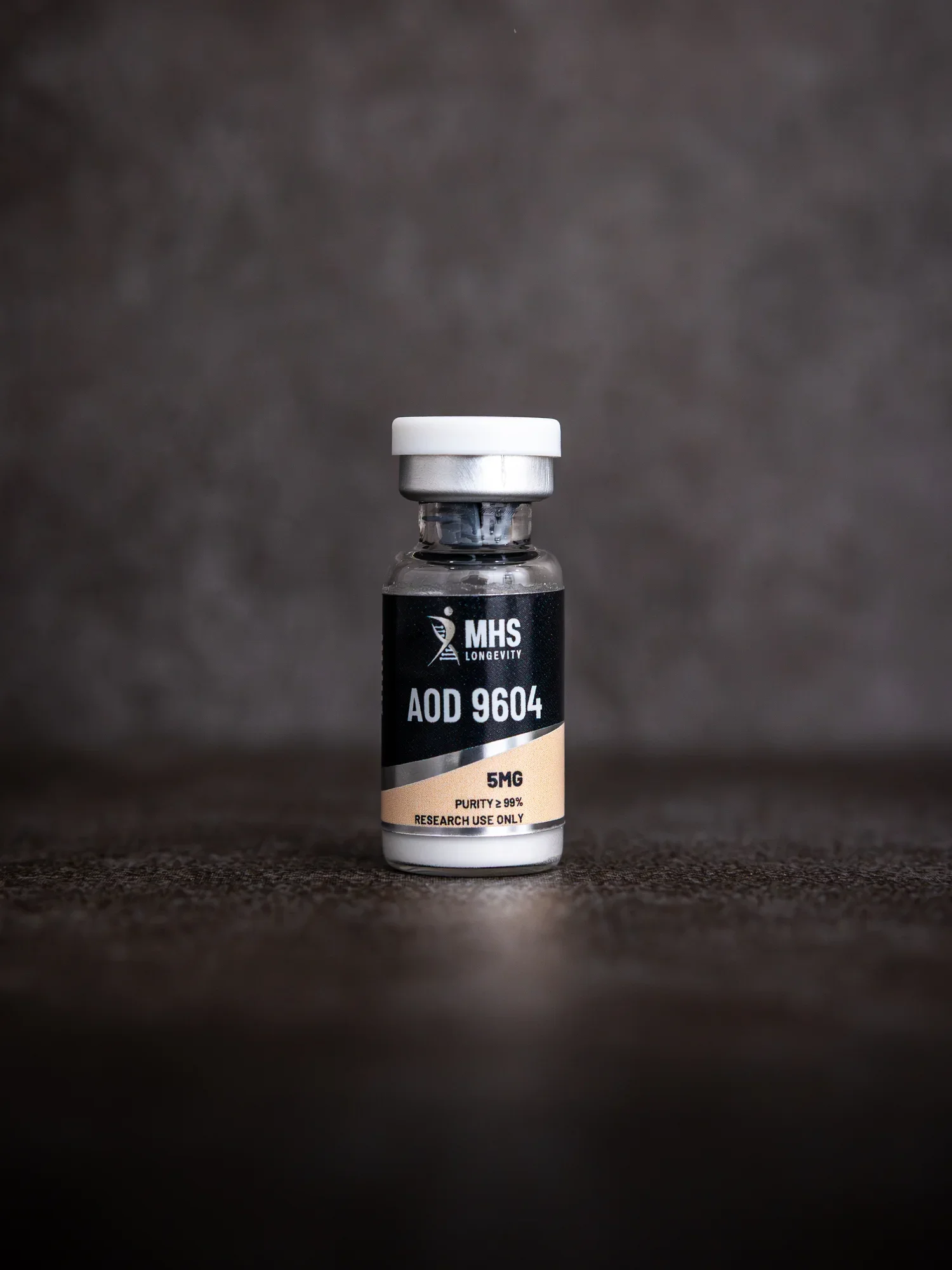
Studies suggest that peptides such as AOD 9604 and 5-Amino 1MQ interact with lipolytic and metabolic pathways, respectively, offering areas of investigation for researchers focused on body composition and metabolic regulation. AOD 9604 mimics the fat-reducing fragment of growth hormone without affecting IGF-1 or glucose metabolism, while 5-Amino 1MQ targets the NNMT enzyme to support NAD+ availability and mitochondrial efficiency.
Looking for detailed research protocols?
Review our comprehensive scientific guide on weight loss peptide pathways.
Cellular Mechanisms & Study Pathways
Lipolytic Signaling
Research suggests AOD 9604 upregulates beta-3 adrenergic receptor expression in adipocytes, activating hormone-sensitive lipase via the cAMP/PKA cascade to promote triglyceride breakdown into free fatty acids.
Lipogenesis Inhibition
Studies indicate AOD 9604 may suppress acetyl-CoA carboxylase activity, reducing de novo fatty acid synthesis while promoting diacylglycerol release and protein kinase C activation.
NNMT Enzyme Inhibition
Research suggests 5-Amino 1MQ selectively inhibits nicotinamide N-methyltransferase, preventing nicotinamide methylation and redirecting precursors into the NAD+ salvage pathway to elevate intracellular NAD+ levels.
Metabolic Rate Enhancement
Elevated NAD+ from NNMT inhibition may support sirtuin-1 activation, enhancing mitochondrial function, basal metabolic rate, and fat oxidation capacity in preclinical models.
Key Research Compounds
AOD 9604 5mg
5-Amino 1MQ 50mg
Frequently Asked Questions
What pathways are investigated in fat metabolism peptide research?
Researchers study synthetic growth hormone fragments (like AOD 9604) for their action on lipolytic and lipogenic pathways without affecting insulin sensitivity, alongside NNMT inhibitors (like 5-Amino 1MQ) for their influence on cellular NAD+ levels and basal energy expenditure.
Are these metabolic research compounds FDA-approved?
No. All metabolic research peptides are sold exclusively for laboratory testing. They are not FDA-approved for human consumption, therapeutic use, or weight loss protocols.