
Sexual Health
4 productsReproductive endocrinology research peptides.
4 products
Scientific Overview & Research Target
Peptide research in reproductive biology and sexual function investigates compounds that interact with the hypothalamic-pituitary-gonadal axis, central melanocortin arousal pathways, affiliative neuropeptide signaling, and peripheral tissue remodeling relevant to intimate wellness research.
Studies indicate that Kisspeptin-10 stimulates GnRH neurons through GPR54 to modulate LH and FSH secretion; oxytocin influences limbic and autonomic circuits tied to bonding and stress; PT-141 (bremelanotide) activates CNS melanocortin receptors studied for libido and arousal; GHK-Cu supports matrix pathways often examined alongside dermatological research; HCG binds LH receptors in models of gonadal and HPG signaling.
Looking for detailed research protocols?
Review our comprehensive scientific guide on sexual health peptide pathways.
Cellular Mechanisms & Study Pathways
GnRH Neuron Stimulation
Research suggests Kisspeptin-10 activates GPR54 receptors on hypothalamic GnRH neurons, increasing calcium signaling and neuronal firing frequency to promote gonadotropin-releasing hormone secretion.
Gonadotropin Release
Studies indicate Kisspeptin-10 stimulates pituitary release of both luteinizing hormone and follicle-stimulating hormone, with LH showing more potent and rapid elevation at doses as low as 0.3 nmol/kg.
Affiliative Neuropeptide Signaling
Research suggests oxytocin modulates hypothalamic and limbic circuits involved in social bonding, emotional processing, and autonomic stress tone—active research themes in behavioral endocrinology.
Central Melanocortin Pathways
Studies indicate PT-141 (bremelanotide) engages melanocortin receptors in the CNS to influence sexual arousal and motivation readouts, distinct from primarily vasodilatory mechanisms.
Key Research Compounds
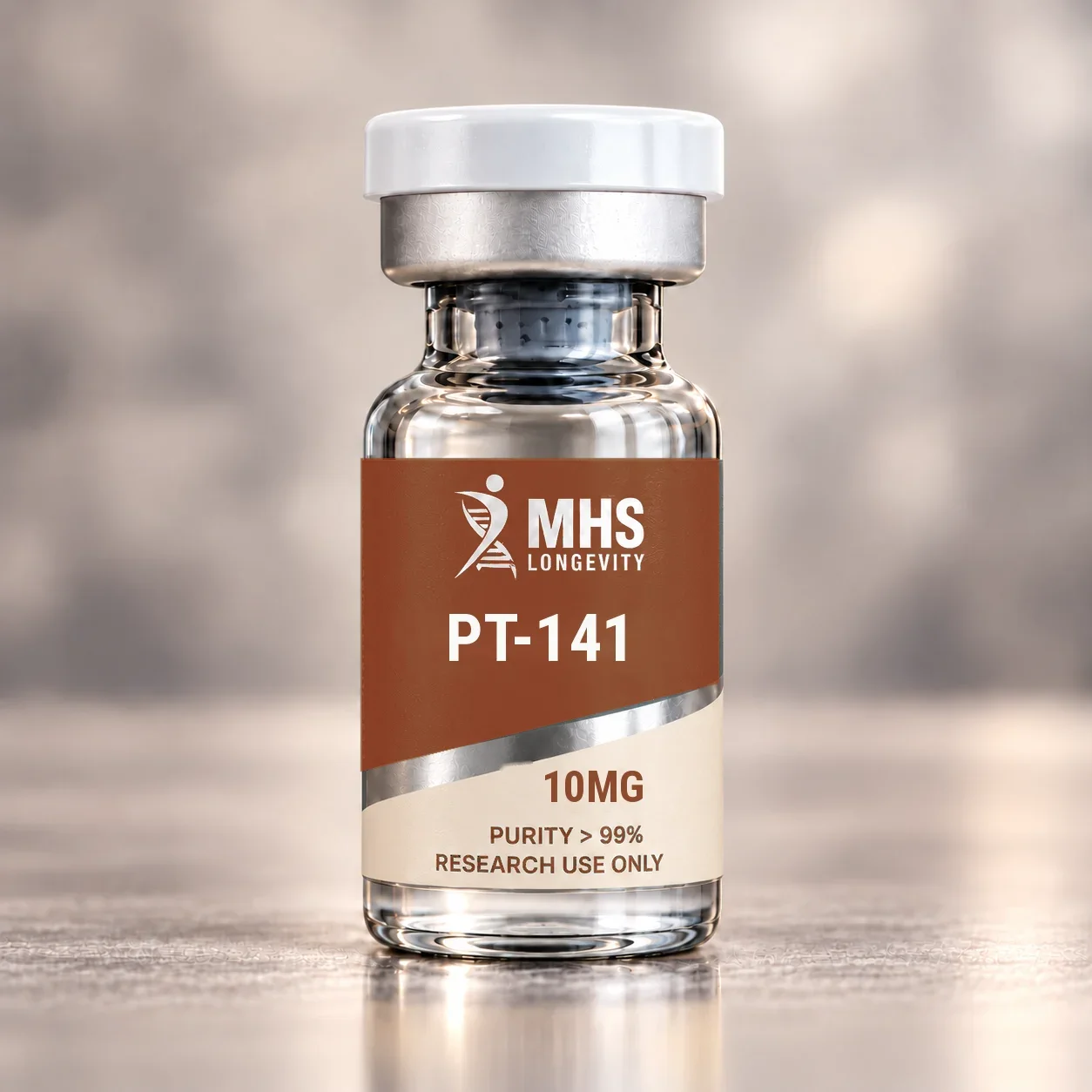
PT-141 10mg
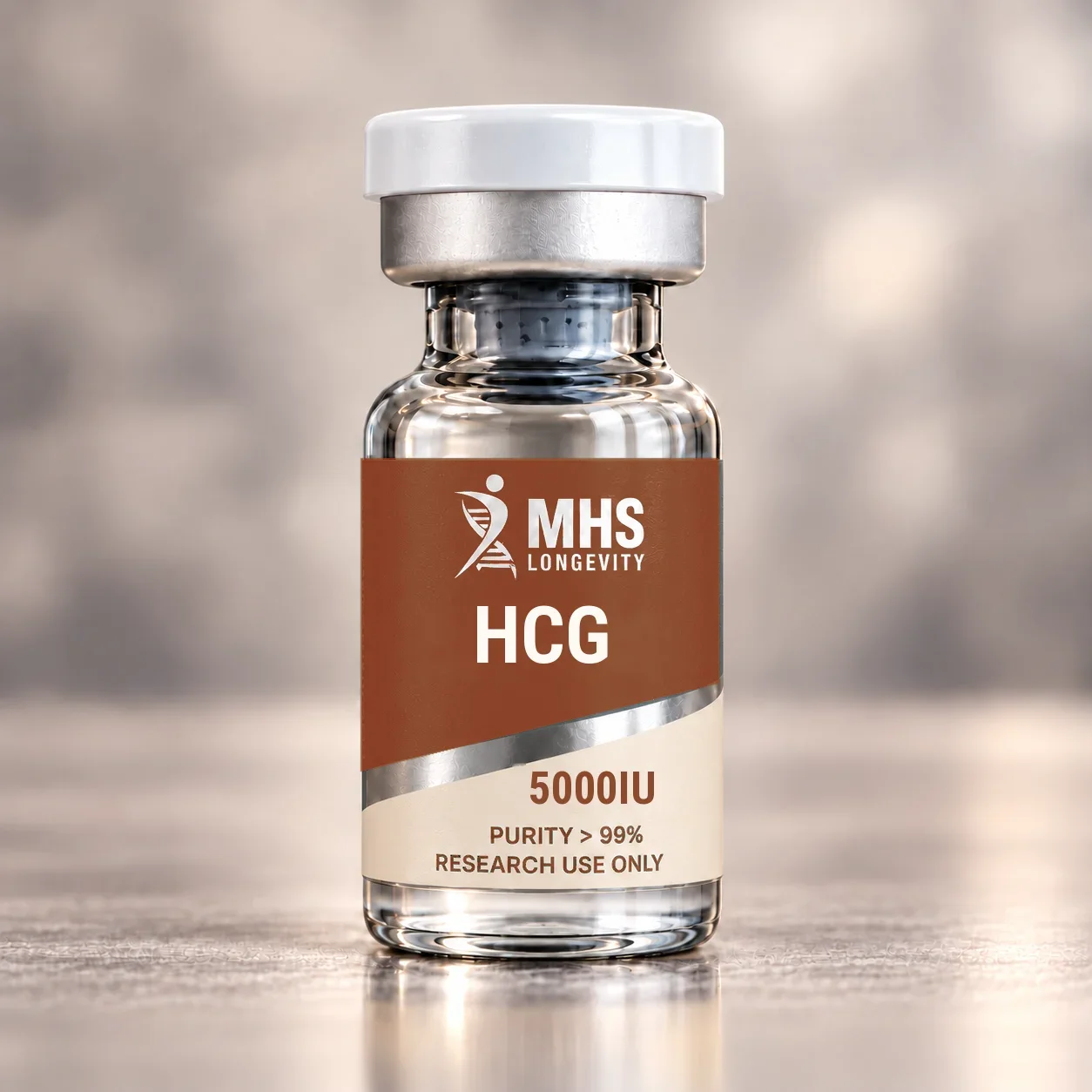
HCG 5,000iu
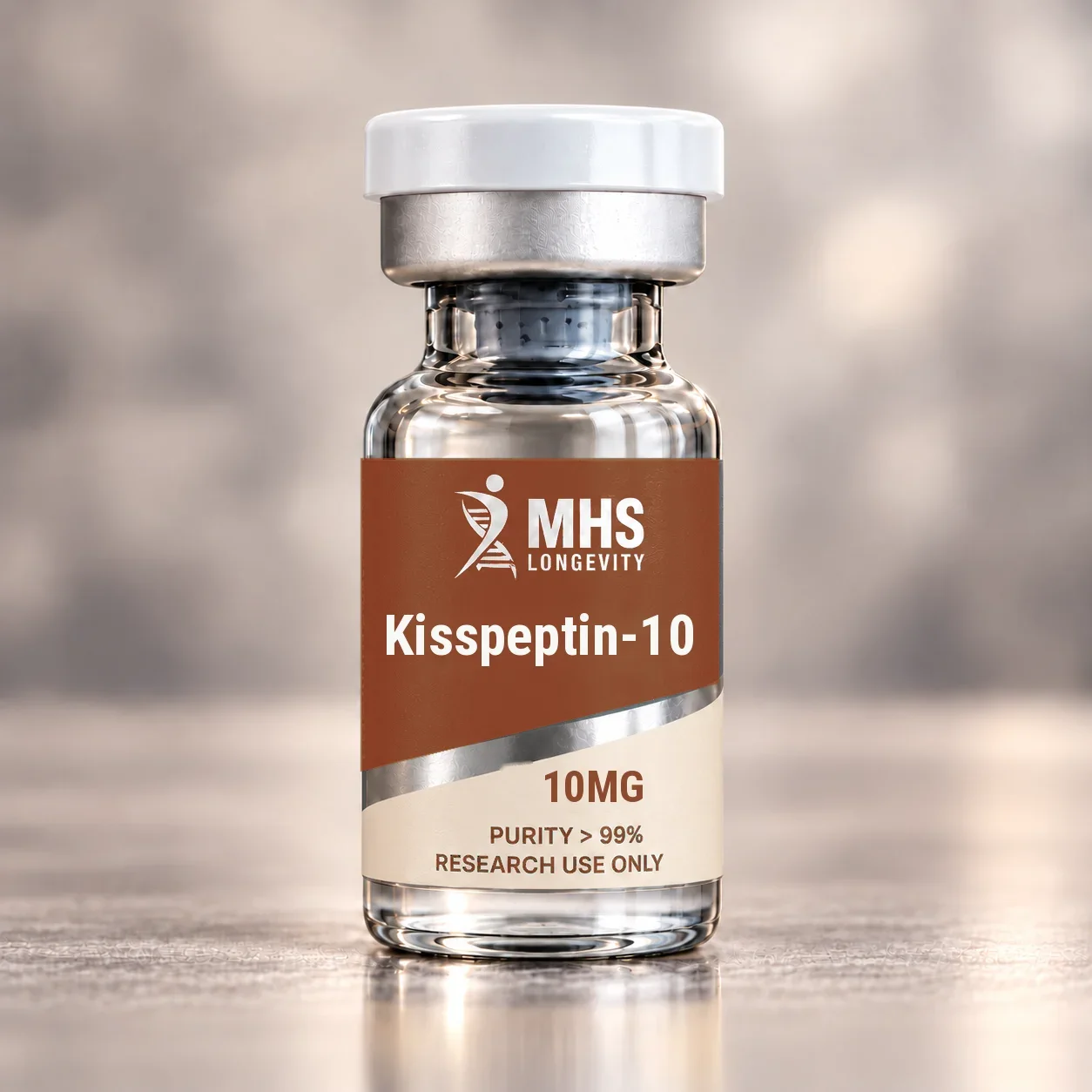
Kisspeptin-10 10mg
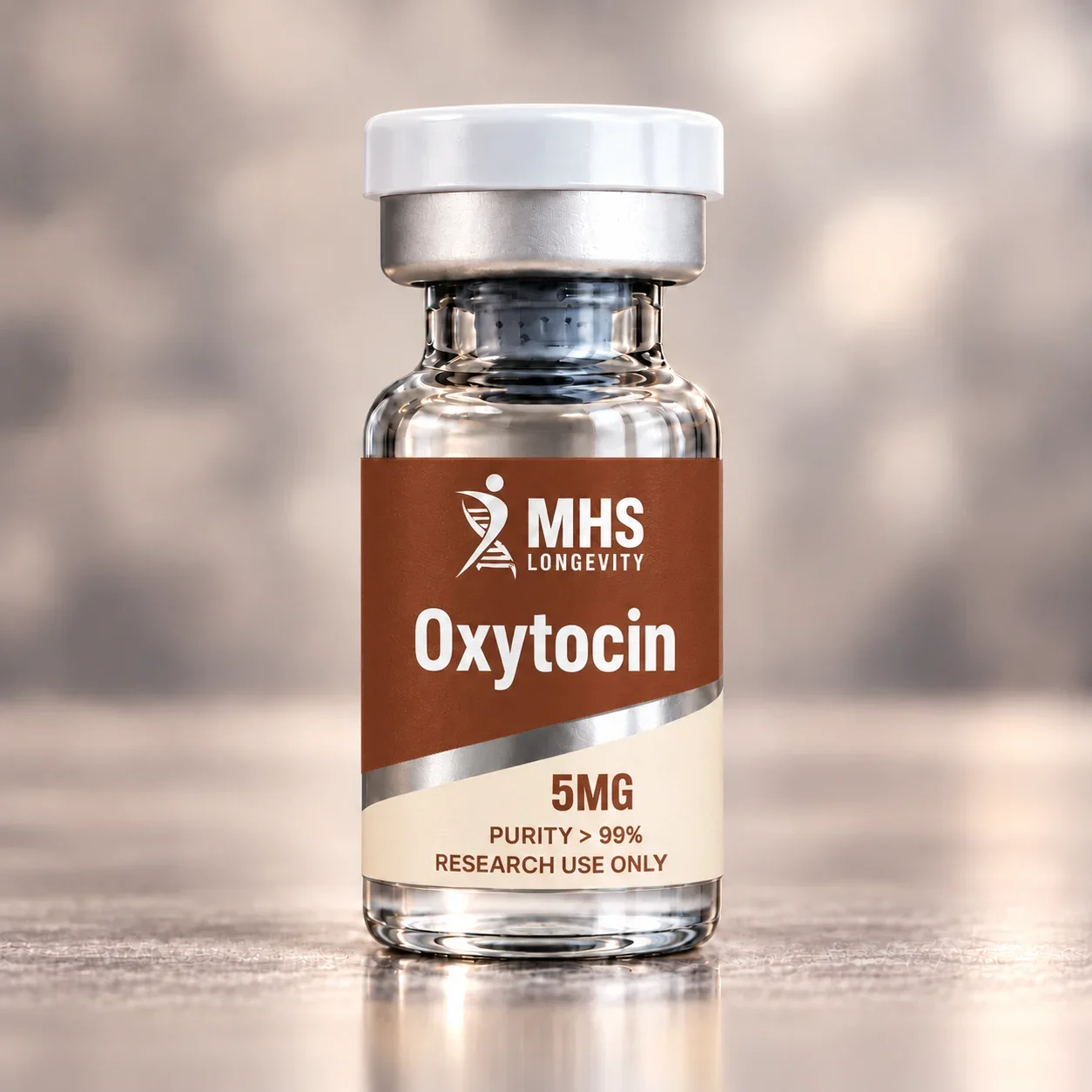
Oxytocin 5mg
Frequently Asked Questions
What endocrine and central pathways are active in sexual health research?
Research centers on kisspeptin-10 for GPR54-stimulated gonadotropin-releasing hormone (GnRH) pathways, central melanocortin receptor agonism (PT-141) for arousal circuits, and oxytocin for limbic bonding responses.
Are these peptides approved for treating erectile dysfunction or hypoactive sexual desire?
No. These compounds are restricted to laboratory testing and investigation of reproductive endocrinology and central nervous system receptor interactions.