
Skin & Hair
9 productsDermatological and regenerative research compounds.
9 products
Scientific Overview & Research Target
Peptide research in dermatology and tissue regeneration examines compounds that interact with collagen matrix remodeling, mucosal and dermal repair signaling, multi-peptide regenerative blends, and cellular aging pathways relevant to skin biology.
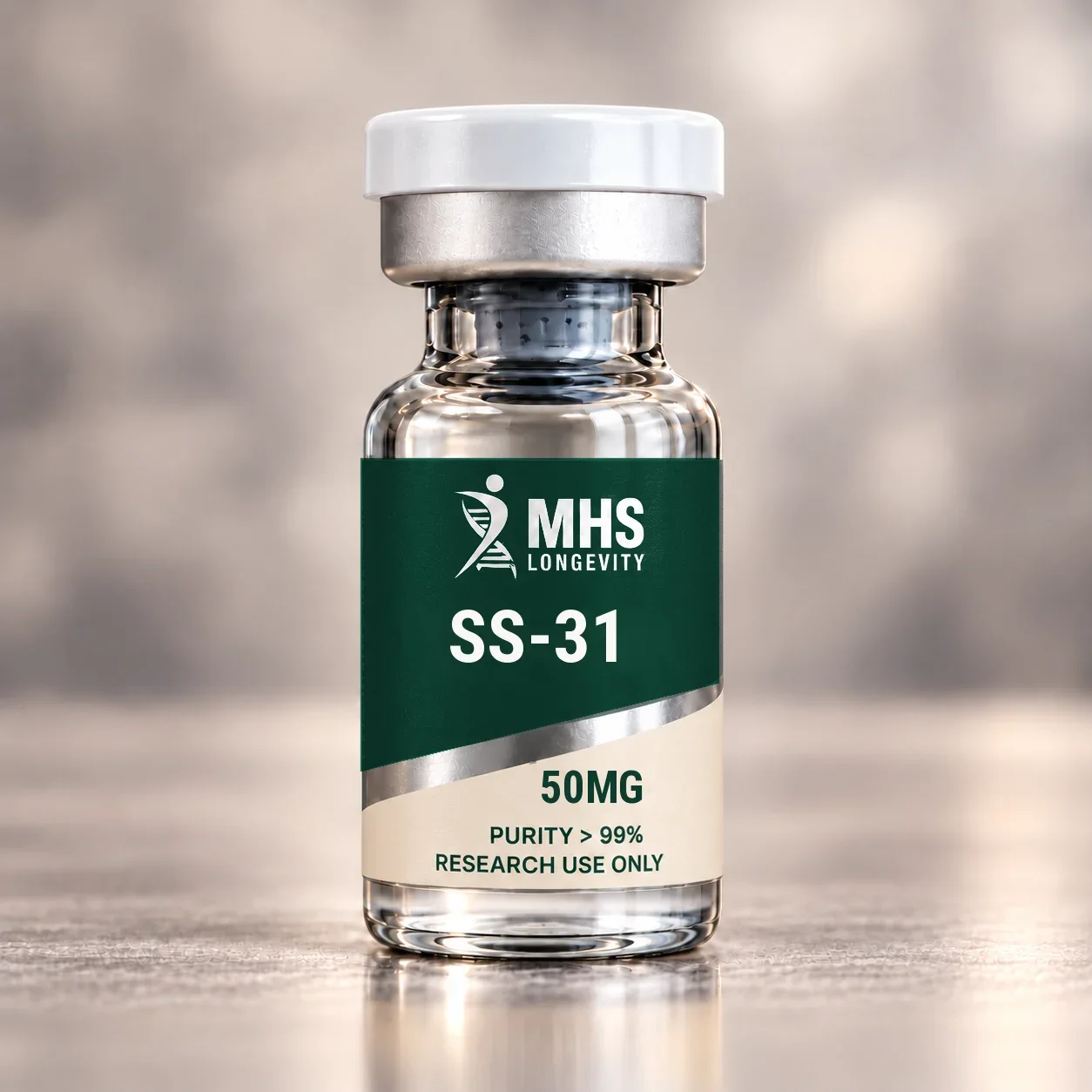
Studies suggest that GHK-Cu supports fibroblast-driven matrix synthesis, BPC-157 is widely investigated for angiogenic and tissue-repair mechanisms, Klow is a multi-component blend researched for combined repair and inflammation-modulation readouts, Epitalon is studied in telomerase-related cellular aging models, and SS-31 is explored for mitochondrial membrane efficiency with implications for stressed epithelial and stromal tissue.
Looking for detailed research protocols?
Review our comprehensive scientific guide on skin & hair peptide pathways.
Cellular Mechanisms & Study Pathways
Collagen & Matrix Remodeling
Research suggests GHK-Cu, a copper-binding tripeptide, activates fibroblast proliferation and boosts collagen, elastin, and glycosaminoglycan synthesis while regulating metalloproteinases for extracellular matrix balance.
Tissue Repair Signaling
Studies indicate BPC-157 promotes angiogenesis, tight-junction–related barrier support, and cytoskeletal organization in diverse preclinical repair models relevant to dermal and gastrointestinal research.
Multi-Peptide Regenerative Blend
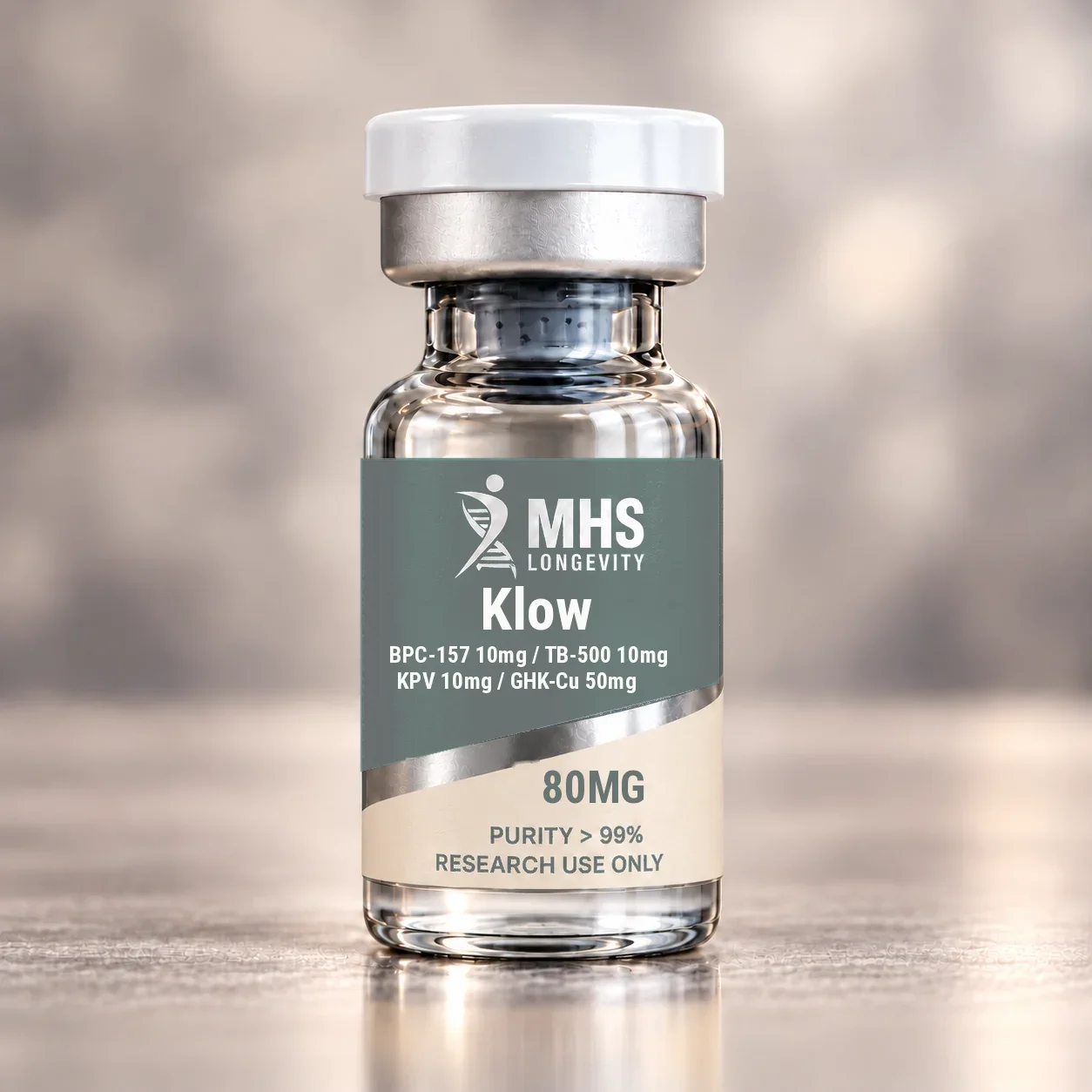
Klow is a proprietary research blend combining BPC-157, TB-500, GHK-Cu, and KP-family peptides—formulated for studies on coordinated tissue repair, inflammation modulation, and regenerative signaling in vitro and in animal models.
Cellular Longevity & Bioenergetics
Research suggests Epitalon influences telomerase-related pathways in cellular aging models, while SS-31 targets mitochondrial membranes to support electron transport and ATP production—both active areas of investigation in aged or metabolically stressed tissues.
Key Research Compounds
Epitalon 10mg
Klow 80mg
GHK-Cu 100mg
Melanotan 2 10mg
KPV 10mg
BPC-157 10mg
Peptide Repair Complex
Snap-8 10mg
SS-31 50mg
Frequently Asked Questions
How are peptides studied in dermatological and regenerative research?
Researchers study copper-tripeptides (GHK-Cu) for fibroblast-driven collagen matrix synthesis and tissue remodeling, gastric pentadecapeptides (BPC-157) for angiogenic signaling, and other peptide complexes for wound healing and hair follicle regulation in vitro.
Are these topical or injectable cosmetic peptides approved?
No, these compounds are supplied as lyophilized powders solely for laboratory research and chemical analysis. They are not intended for use as cosmetics, skincare products, or human therapies.